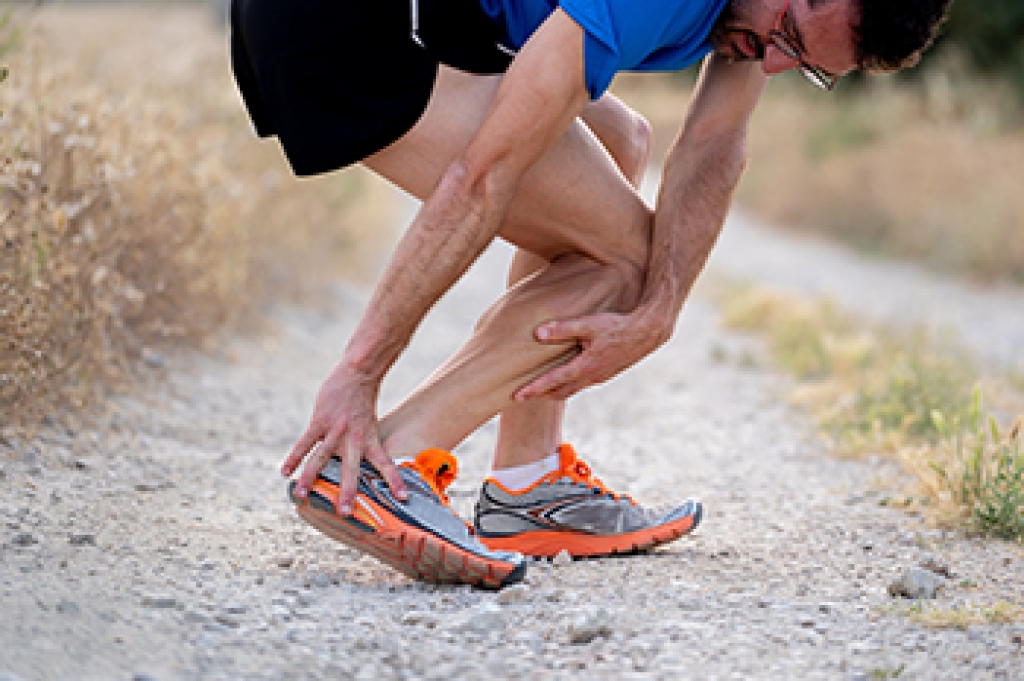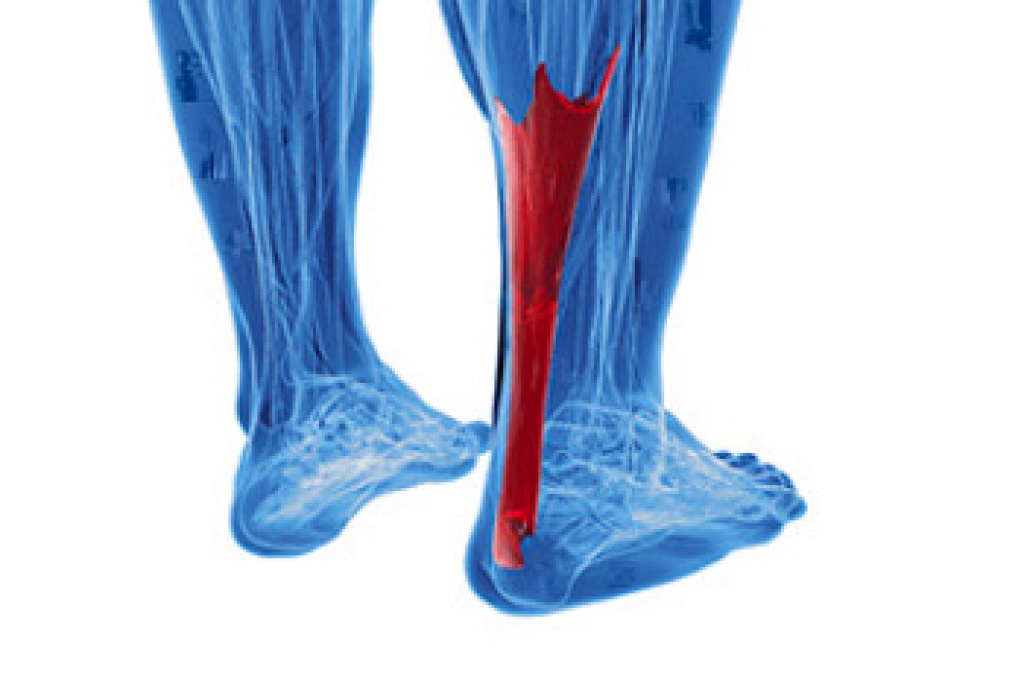
Pain From Achilles Tendon Bursitis

Posterior Achilles tendon bursitis causes pain where the back of a shoe meets the heel. It develops when repeated shoe pressure inflames a bursa between the skin and Achilles tendon. A bursa is a small, fluid-filled cushion that reduces friction. Early signs include redness, warmth, and tenderness at the back of the heel. Irritation can cause skin damage or a soft, painful bump. In long-lasting cases, the bump can become firm as the tissue thickens and calcium collects within it.

Shoes with a stiff back or a poor fit can rub against this sensitive area. High-heeled shoes are a risk because they place the shoe counter against the back of the heel. A bony prominence called Haglund’s deformity can increase pressure and encourage a bursa to develop. Pain from bursitis can resemble pain from other Achilles tendon problems. Achilles tendinitis affects the tendon itself, while another condition can cause pain where the tendon attaches to the heel bone. A podiatrist can identify the source by examining the location, texture, and appearance of the area. Imaging is not always required, but it can help when the cause remains unclear.

Treatment focuses on reducing pressure and protecting the inflamed area. A podiatrist can evaluate shoe fit and recommend shoes with a low heel that do not press against the bursa. Heel pads, protective gel wraps, or padding placed around the bump can reduce rubbing. Custom orthotics can improve rear-foot stability and limit irritating movement while walking. A podiatrist can monitor skin damage and check for signs of another heel condition. When a bony prominence continues to place pressure on the area, surgery can be considered to remove part of the bone. Early care can reduce irritation before it causes greater pain while wearing shoes or moving throughout the day. If you have sustained an Achilles tendon injury, it is suggested that you promptly schedule an appointment with a podiatrist for effective relief and treatment solutions.

Achilles tendon injuries need immediate attention to avoid future complications. If you have any concerns, contact Kimberly Woodard, DPM of Pinnacle Foot and Ankle Centers, LLC . Our doctor can provide the care you need to keep you pain-free and on your feet.

What Is the Achilles Tendon?

The Achilles tendon is a tendon that connects the lower leg muscles and calf to the heel of the foot. It is the strongest tendon in the human body and is essential for making movement possible. Because this tendon is such an integral part of the body, any injuries to it can create immense difficulties and should immediately be presented to a doctor.

What Are the Symptoms of an Achilles Tendon Injury?

There are various types of injuries that can affect the Achilles tendon. The two most common injuries are Achilles tendinitis and ruptures of the tendon.

Achilles Tendinitis Symptoms

  • Inflammation
  • Dull to severe pain
  • Increased blood flow to the tendon
  • Thickening of the tendon

Rupture Symptoms

  • Extreme pain and swelling in the foot
  • Total immobility

Treatment and Prevention

Achilles tendon injuries are diagnosed by a thorough physical evaluation, which can include an MRI. Treatment involves rest, physical therapy, and in some cases, surgery. However, various preventative measures can be taken to avoid these injuries, such as:

  • Thorough stretching of the tendon before and after exercise
  • Strengthening exercises like calf raises, squats, leg curls, leg extensions, leg raises, lunges, and leg presses

If you have any questions please feel free to contact our office located in Port St. Lucie, FL . We offer the newest diagnostic tools and technology to treat your foot and ankle needs.

Read more about The Causes, Types, and Treatments of Achilles Tendon Injuries

Podiatric Treatment for Gout

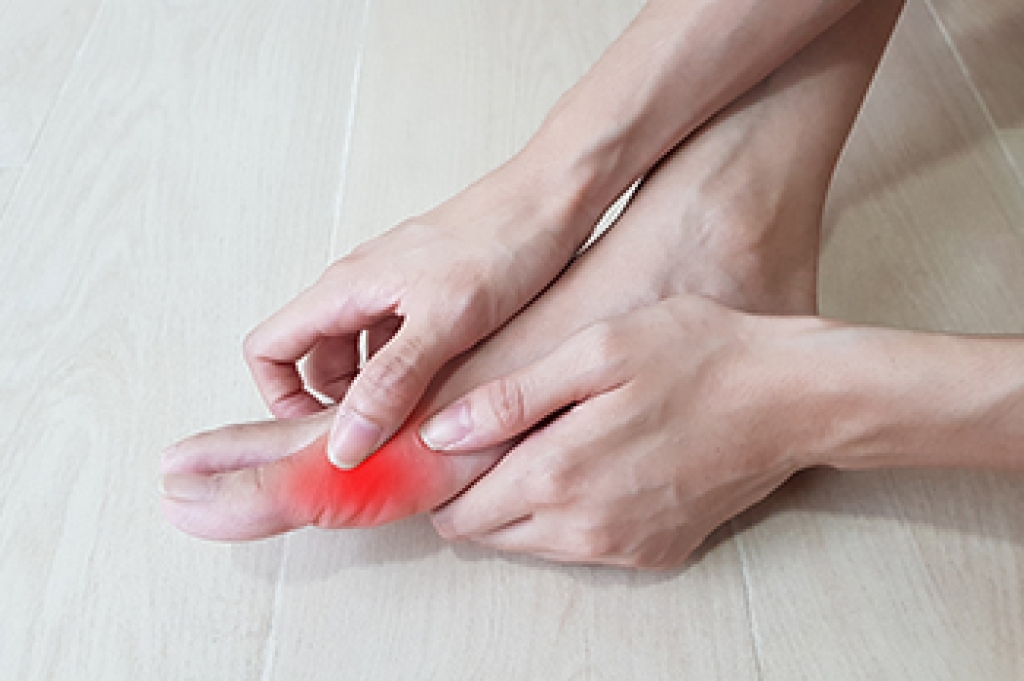
Gout is a form of arthritis that can cause sudden and intense joint pain. It develops when uric acid crystals collect in a joint and cause inflammation. Uric acid is a substance the body produces when it breaks down certain foods and drinks. Gout frequently affects the joint at the base of the big toe, although other joints can be involved. Symptoms include severe pain, redness, and swelling. The affected joint can also feel warm and extremely sensitive to touch. A gout attack can develop within a few hours and make standing or walking very uncomfortable.

High levels of uric acid in the blood increase the risk of gout, although not everyone with a high level develops the condition. Certain health problems can increase the risk, including kidney disease, high blood pressure, and obesity. Some medications can also contribute to gout. A podiatrist can examine a painful, swollen foot and review the patient's symptoms and medical history. Testing can include blood work or imaging tests to help evaluate the affected joint. In some cases, fluid can be removed from a swollen joint and examined for uric acid crystals. Proper diagnosis is important because an infection can cause similar joint symptoms.

Treatment for gout focuses on controlling inflammation and reducing the risk of future attacks.  Prescription medications can reduce pain and inflammation during an attack. Other medications can lower uric acid levels and help prevent repeated attacks. A podiatrist can also monitor the affected foot for joint damage and other complications. Repeated gout attacks can eventually damage joints and interfere with normal movement. Severe gout can also cause hard deposits of uric acid crystals beneath the skin. Proper medical management can help protect joint health and maintain comfortable movement. If you have symptoms of gout, it is suggested that you are under the care of a podiatrist who can help you to manage this serious condition. 

Gout is a painful condition that can be treated. If you are seeking treatment, contact Kimberly Woodard, DPM from Pinnacle Foot and Ankle Centers, LLC . Our doctor will treat your foot and ankle needs.

What Is Gout?

Gout is a form of arthritis that is characterized by sudden, severe attacks of pain, redness, and tenderness in the joints. The condition usually affects the joint at the base of the big toe. A gout attack can occur at any random time, such as the middle of the night while you are asleep.

Symptoms

  • Intense Joint Pain - Usually around the large joint of your big toe, and it most severe within the first four to twelve hours
  • Lingering Discomfort - Joint discomfort may last from a few days to a few weeks
  • Inflammation and Redness -Affected joints may become swollen, tender, warm and red
  • Limited Range of Motion - May experience a decrease in joint mobility

Risk Factors

  • Genetics - If family members have gout, you’re more likely to have it
  • Medications - Diuretic medications can raise uric acid levels
  • Gender/Age - Gout is more common in men until the age of 60. It is believed that estrogen protects women until that point
  • Diet - Eating red meat and shellfish increases your risk
  • Alcohol - Having more than two alcoholic drinks per day increases your risk
  • Obesity - Obese people are at a higher risk for gout

Prior to visiting your podiatrist to receive treatment for gout, there are a few things you should do beforehand. If you have gout you should write down your symptoms--including when they started and how often you experience them, important medical information you may have, and any questions you may have. Writing down these three things will help your podiatrist in assessing your specific situation so that he or she may provide the best route of treatment for you.

If you have any questions, please feel free to contact our office located in Port St. Lucie, FL . We offer the newest diagnostic and treatment technologies for all your foot care needs.

Read more about Gout

Wounds That Don't Heal Need to Be Checked

Your feet are covered most of the day. If you're diabetic, periodic screening is important for good health. Numbness is often a sign of diabetic foot and can mask a sore or wound.

Running With Heel Pain

Heel pain can turn a comfortable run into a difficult test. Continuing to run can make the problem worse and extend the break needed for recovery. Plantar fasciitis, heel spurs, and stress fractures are possible causes of heel pain. Plantar fasciitis is irritation of the strong band of tissue that supports the arch. A stress fracture is a small crack caused by repeated pressure on a bone. Because these problems require different forms of care, runners should not assume that all heel pain comes from the same source. Stopping a run when pain begins can reduce the chance of further injury.

Pain also changes the way a runner moves. A person may shorten a stride, shift weight, or land differently to protect the sore heel. These changes can place added strain on the ankle, knee, and hip. Discomfort can also spread to the lower back as the body tries to adjust. Warning signs that deserve prompt attention include swelling, bruising, or trouble placing weight on the foot. Pain that is sharp, continues at rest, or grows worse from one run to the next also needs an evaluation. Running through these symptoms can delay healing and interfere with work and daily activities.

A podiatrist can examine the heel, check foot movement, and review the runner’s training routine. X-rays or other imaging can help reveal a fracture or another source of pain. Treatment depends on the diagnosis and can include custom orthotics, supportive taping, or a walking boot. The podiatrist can also recommend shoes that fit correctly and provide proper support. A gradual return-to-running plan can protect the heel once pain improves. Some conditions respond well to these options, while more severe injuries may require surgery. An accurate diagnosis helps the runner avoid repeated strain and return to activity safely. If you have heel pain while running, it is suggested that you schedule an appointment with a podiatrist for a diagnosis and appropriate treatment.

Sports related foot and ankle injuries require proper treatment before players can go back to their regular routines. For more information, contact Kimberly Woodard, DPM of Pinnacle Foot and Ankle Centers, LLC . Our doctor can provide the care you need to keep you pain-free and on your feet.

Sports Related Foot and Ankle Injuries

Foot and ankle injuries are a common occurrence when it comes to athletes of any sport. While many athletes dismiss the initial aches and pains, the truth is that ignoring potential foot and ankle injuries can lead to serious problems. As athletes continue to place pressure and strain the area further, a mild injury can turn into something as serious as a rupture and may lead to a permanent disability. There are many factors that contribute to sports related foot and ankle injuries, which include failure to warm up properly, not providing support or wearing bad footwear. Common injuries and conditions athletes face, including:

  • Plantar Fasciitis
  • Achilles Tendinitis
  • Achilles Tendon Rupture
  • Ankle Sprains

Sports related injuries are commonly treated using the RICE method. This includes rest, applying ice to the injured area, compression and elevating the ankle. More serious sprains and injuries may require surgery, which could include arthroscopic and reconstructive surgery. Rehabilitation and therapy may also be required in order to get any recovering athlete to become fully functional again. Any unusual aches and pains an athlete sustains must be evaluated by a licensed, reputable medical professional.

If you have any questions please contact our office located in Port St. Lucie, FL . We offer the newest diagnostic and treatment technologies for all your foot and ankle needs.

Read more about Sports Related Foot And Ankle Injuries

Hiking Safely With Poor Circulation in the Feet

Poor circulation in the feet occurs when blood does not flow efficiently through the lower legs and feet. Symptoms may include cold feet, numbness, or slow-healing sores. Some people develop leg or foot discomfort while walking that improves after resting. Risk factors include smoking, diabetes, and prolonged inactivity. Sitting for long periods can also limit leg movement and may contribute to circulation concerns.

Hiking with poor circulation in the feet requires extra planning, because longer periods of walking can increase discomfort and foot stress. Choose supportive hiking shoes with enough room for your toes, wear moisture-wicking socks, and avoid footwear that feels tight. Check your feet before and after each hike for blisters, redness, or changes in color. Take regular breaks and consider shorter trails with easier terrain. Stop hiking if you experience severe pain, increasing numbness, or significant color changes.


Poor circulation may result from narrowed arteries, vein problems, or other conditions affecting blood vessels. When circulation is reduced, the feet may receive less oxygen and nutrients, which can interfere with healing. A podiatrist can check pulses, skin temperature, and areas of pressure. Treatment focuses on the underlying cause while protecting the feet from injuries and complications. Wounds may require careful cleaning, protection, and monitoring.


Between hikes, avoid sitting for long periods of time without moving your legs. Stand regularly and gently move your ankles when sitting. Keep your feet protected from extreme temperatures because reduced sensation can make injuries harder to notice. Good foot care is especially important when hiking with poor circulation. If you have poor circulation in your feet or develop symptoms while hiking, it is suggested that you consult a podiatrist for effective relief and management tips.

While poor circulation itself isn’t a condition; it is a symptom of another underlying health condition you may have. If you have any concerns with poor circulation in your feet contact Kimberly Woodard, DPM of Pinnacle Foot and Ankle Centers, LLC . Our doctor will treat your foot and ankle needs.

Poor Circulation in the Feet

Peripheral artery disease (PAD) can potentially lead to poor circulation in the lower extremities. PAD is a condition that causes the blood vessels and arteries to narrow. In a linked condition called atherosclerosis, the arteries stiffen up due to a buildup of plaque in the arteries and blood vessels. These two conditions can cause a decrease in the amount of blood that flows to your extremities, therefore resulting in pain.

Symptoms

Some of the most common symptoms of poor circulation are:

  • Numbness
  • Tingling
  • Throbbing or stinging pain in limbs
  • Pain
  • Muscle Cramps

Treatment for poor circulation often depends on the underlying condition that causes it. Methods for treatment may include insulin for diabetes, special exercise programs, surgery for varicose veins, or compression socks for swollen legs.

As always, see a podiatrist as he or she will assist in finding a regimen that suits you. A podiatrist can also prescribe you any needed medication. 

If you have any questions, please feel free to contact our office located in Port St. Lucie, FL . We offer the newest diagnostic and treatment technologies for all your foot care needs.

Read more about Causes Symptoms and Treatment for Poor Circulation in the Feet

Connect With Us

Scroll to Top and to Pinnacle Foot and Ankle Centers Contacts