Foot Stress Fractures and Prevention Tips

A foot stress fracture is a small crack in a bone that develops from repetitive force or overuse, rather than a single injury. It often occurs when activity levels increase too quickly or when the feet are not properly supported. Symptoms include pain that worsens during weight-bearing activities and improves with rest. Risk factors include overuse, poor footwear, and weak bone health. Preventive steps include wearing properly fitted shoes, gradually increasing exercise intensity, and incorporating cross-training activities to reduce repeated strain. Maintaining a balanced diet rich in calcium and vitamin D can support bone strength. Additionally, pushing through pain during exercise can worsen the injury. If you have symptoms of a foot stress fracture, it is suggested that you consult a podiatrist who can accurately diagnose and treat it.

Stress fractures occur when there is a tiny crack within a bone. To learn more, contact Kimberly Woodard, DPM from Pinnacle Foot and Ankle Centers, LLC . Our doctor can provide the care you need to keep you pain free and on your feet.

How Are They Caused?

Stress fractures are the result of repetitive force being placed on the bone. Since the lower leg and feet often carry most of the body’s weight, stress fractures are likely to occur in these areas. If you rush into a new exercise, you are more likely to develop a stress fracture since you are starting too much, too soon.  Pain resulting from stress fractures may go unnoticed at first, however it may start to worsen over time.

Risk Factors

  • Gender – They are more commonly found in women compared to men.
  • Foot Problems – People with unusual arches in their feet are more likely to develop stress fractures.
  • Certain Sports – Dancers, gymnasts, tennis players, runners, and basketball players are more likely to develop stress fractures.
  • Lack of Nutrients – A lack of vitamin D and calcium may weaken the bones and make you more prone to stress fractures
  • Weak Bones – Osteoporosis can weaken the bones therefore resulting in stress fractures

Stress fractures do not always heal properly, so it is important that you seek help from a podiatrist if you suspect you may have one. Ignoring your stress fracture may cause it to worsen, and you may develop chronic pain as well as additional fractures.

If you have any questions please contact our office located in Port St. Lucie, FL . We offer the newest diagnostic and treatment technologies for all your foot and ankle needs.

Read more about Stress Fractures of the Foot and Ankle

Pain Along the Back of the Heel

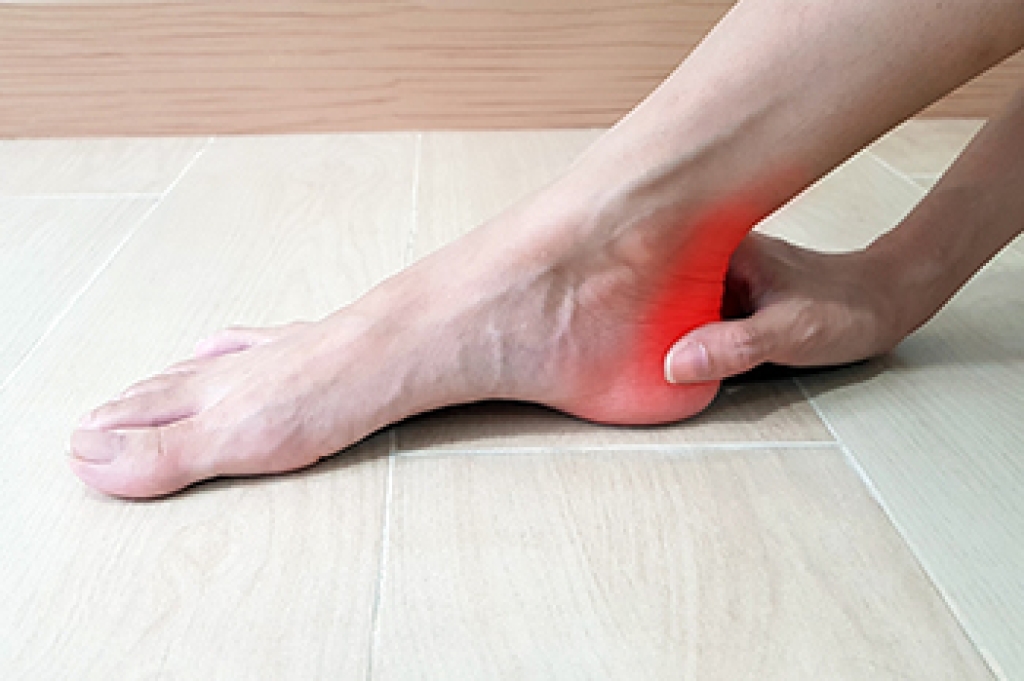
Achilles tendinopathy involves irritation and deterioration of the Achilles tendon, which connects the calf muscles to the heel. It often develops gradually and may cause pain, stiffness, or a tight feeling along the back of the ankle. It can occur both while walking or after periods of rest. The area may appear slightly swollen or thickened, and can feel tender to the touch. Common causes for heel pain include overuse, sudden increases in activity, or tight calf muscles. Wearing improper footwear can also place extra strain on the tendon. A podiatrist can evaluate the tendon, assess movement, and may use imaging to determine the extent of the condition. Treatment often includes activity modification, supportive footwear, and anti-inflammatory care. Targeted exercises can help to improve flexibility and strength. Early care can prevent worsening or tearing of the tendon. If you have pain along the back of your heel, it is suggested that you schedule an appointment with a podiatrist for an evaluation and appropriate treatment.

Achilles tendon injuries need immediate attention to avoid future complications. If you have any concerns, contact Kimberly Woodard, DPM of Pinnacle Foot and Ankle Centers, LLC . Our doctor can provide the care you need to keep you pain-free and on your feet.

What Is the Achilles Tendon?

The Achilles tendon is a tendon that connects the lower leg muscles and calf to the heel of the foot. It is the strongest tendon in the human body and is essential for making movement possible. Because this tendon is such an integral part of the body, any injuries to it can create immense difficulties and should immediately be presented to a doctor.

What Are the Symptoms of an Achilles Tendon Injury?

There are various types of injuries that can affect the Achilles tendon. The two most common injuries are Achilles tendinitis and ruptures of the tendon.

Achilles Tendinitis Symptoms

  • Inflammation
  • Dull to severe pain
  • Increased blood flow to the tendon
  • Thickening of the tendon

Rupture Symptoms

  • Extreme pain and swelling in the foot
  • Total immobility

Treatment and Prevention

Achilles tendon injuries are diagnosed by a thorough physical evaluation, which can include an MRI. Treatment involves rest, physical therapy, and in some cases, surgery. However, various preventative measures can be taken to avoid these injuries, such as:

  • Thorough stretching of the tendon before and after exercise
  • Strengthening exercises like calf raises, squats, leg curls, leg extensions, leg raises, lunges, and leg presses

If you have any questions please feel free to contact our office located in Port St. Lucie, FL . We offer the newest diagnostic tools and technology to treat your foot and ankle needs.

Read more about What are Achilles Tendon Injuries

Are Bunions Affecting Your Everyday Life?

Have you noticed a bony protrusion on the side of your big toe? If so, you may have developed the foot condition known as a bunion. Don't let bunions interfere with your daily activities.

What Causes an Ingrown Toenail?

An ingrown toenail develops when the edge of a nail grows into the surrounding skin, most often affecting the big toe. This can lead to pain, redness, and swelling of the skin surrounding the nail, making walking uncomfortable. Common causes include improper nail trimming, wearing tight shoes, obesity, and repetitive activities that place extra pressure on the toes, like kicking a ball. Risk factors also include curved nails and poor foot hygiene. Early care can prevent worsening symptoms or infection. A podiatrist can safely treat the condition, relieve discomfort, and provide guidance on proper nail care and footwear. If you notice signs of an ingrown toenail, it is suggested that you promptly consult a podiatrist who can offer effective treatment solutions, which may include minor surgery for removal.

Ingrown toenails can become painful if they are not treated properly. For more information about ingrown toenails, contact Kimberly Woodard, DPM of Pinnacle Foot and Ankle Centers, LLC . Our doctor can provide the care you need to keep you pain-free and on your feet.

Ingrown Toenails

Ingrown toenails occur when a toenail grows sideways into the bed of the nail, causing pain, swelling, and possibly infection.

Causes

  • Bacterial infections
  • Improper nail cutting such as cutting it too short or not straight across
  • Trauma to the toe, such as stubbing, which causes the nail to grow back irregularly
  • Ill-fitting shoes that bunch the toes too close together
  • Genetic predisposition

Prevention

Wearing proper fitting shoes and using proper cutting techniques will also help decrease your risk of developing ingrown toenails.

Treatment

Ingrown toenails are a very treatable foot condition. In minor cases, soaking the affected area in salt or antibacterial soaps will not only help with the ingrown nail itself, but also help prevent any infections from occurring. In more severe cases, surgery is an option. In either case, speaking to your podiatrist about this condition will help you get a better understanding of specific treatment options that are right for you.

If you have any questions, please feel free to contact our office located in Port St. Lucie, FL . We offer the newest diagnostic and treatment technologies for all your foot care needs.

Read more about Ingrown Toenails

Thick Toenails and Fungal Infections

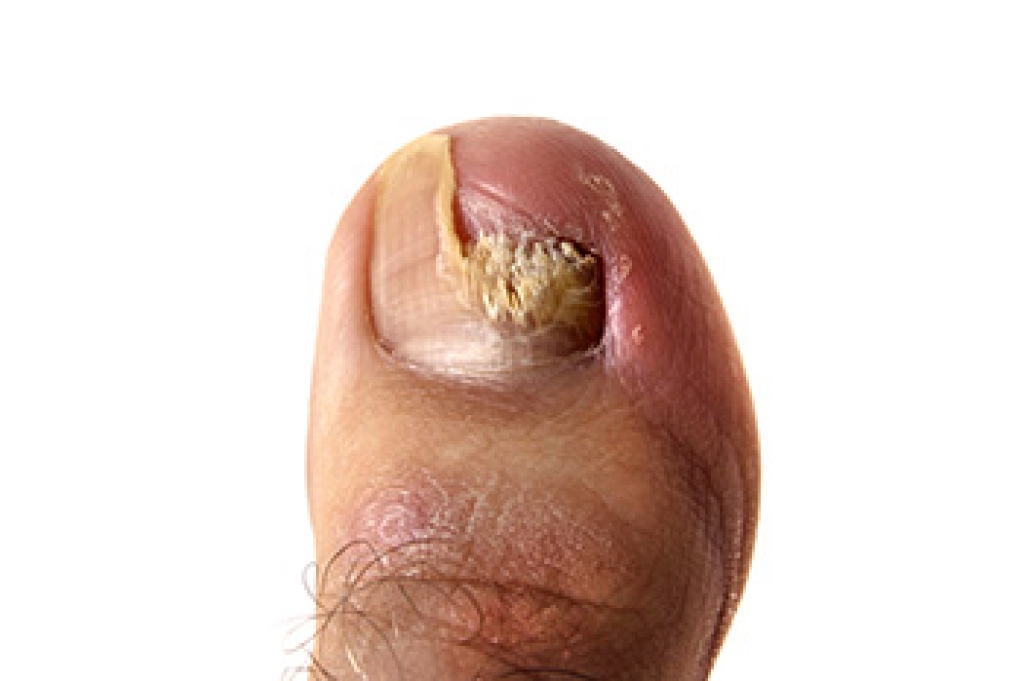
Thick toenails are often caused by toenail fungus, a common infection that targets the nail and surrounding tissue. This condition develops when fungi enter through small cracks and thrive in warm moist environments. Symptoms include discoloration, nails that become yellow or brown, thickened texture, splitting, and lifting away from the nail bed. Walking barefoot around pool areas and locker rooms increases exposure, and athlete’s foot can spread infection to the nails. Athlete’s foot may cause itching, redness, and peeling skin. Risk factors include poor hygiene, wearing damp footwear, and a weakened immune system. A podiatrist can diagnose the infection, provide targeted treatment, and recommend preventive care. If you have noticed your toenails have become thick or have changed color, it is suggested that you consult a podiatrist who can offer effective treatment solutions, which may include prescribed medication.

For more information about treatment, contact Kimberly Woodard, DPM of Pinnacle Foot and Ankle Centers, LLC . Our doctor can provide the care you need to keep you pain-free and on your feet.

Toenail Fungus Treatment

Toenail fungus is a condition that affects many people and can be especially hard to get rid of. Fortunately, there are several methods to go about treating and avoiding it.

Antifungals & Deterrence

Oral antifungal medicine has been shown to be effective in many cases. It is important to consult with a podiatrist to determine the proper regiment for you, or potentially explore other options.

Applying foot powder on the feet and shoes helps keep the feet free of moisture and sweat.

Sandals or open toed shoes – Wearing these will allow air movement and help keep feet dry. They also expose your feet to light, which fungus cannot tolerate. Socks with moisture wicking material also help as well.

If you have any questions please contact our office located in Port St. Lucie, FL . We offer the newest diagnostic and treatment technologies for all your foot and ankle needs.

Read more about Toenail Fungus

Connect With Us

Scroll to Top and to Pinnacle Foot and Ankle Centers Contacts