Causes and Treatment of Corns

Corns are small areas of thickened skin that develop when the foot is exposed to repeated pressure or friction. They usually form on the tops and sides of the toes, although they can also appear on the bottoms of the feet. Unlike calluses, which tend to cover larger areas, corns are often smaller and have a hard center. Many people notice pain when walking or when shoes press against the affected area. Corns can develop when toes rub against one another or when shoes create constant pressure on certain parts of the foot. Foot structure and toe deformities can also increase the risk of developing corns.

The symptoms of corns can become more noticeable as pressure continues. Patients frequently experience tenderness, soreness, and a feeling that something is pressing into the skin. The affected area may appear raised, hardened, and yellowish in color. Pain can become worse while walking or standing for long periods. Corns that form between the toes are usually softer because of moisture in that area. Even though corns are made of thickened skin, they can be surprisingly uncomfortable and interfere with daily activities. In some cases, the discomfort causes people to change the way they walk, which can place extra strain on other parts of the foot.

A podiatrist can determine whether a painful thickened area is a corn or another condition that requires different treatment. Diagnosis includes examining the foot and identifying the source of the pressure or friction. Treatment focuses on reducing discomfort and addressing the underlying cause. A podiatrist may carefully trim the thickened skin, recommend padding or orthotics, and evaluate whether shoes provide proper support and fit. Patients with diabetes or circulation problems should seek professional care because foot problems can become more serious. If you have symptoms of corns it is suggested that you make an appointment with a podiatrist for diagnosis and treatment.

Corns can make walking very painful and should be treated immediately. If you have questions regarding your feet and ankles, contact Kimberly Woodard, DPM of Pinnacle Foot and Ankle Centers, LLC . Our doctor will treat your foot and ankle needs.

Corns: What Are They? And How Do You Get Rid of Them?
Corns are thickened areas on the skin that can become painful. They are caused by excessive pressure and friction on the skin. Corns press into the deeper layers of the skin and are usually round in shape.

Ways to Prevent Corns
There are many ways to get rid of painful corns such as:

  • Wearing properly fitting shoes that have been measured by a professional
  • Wearing shoes that are not sharply pointed or have high heels
  • Wearing only shoes that offer support

Treating Corns

Although most corns slowly disappear when the friction or pressure stops, this isn’t always the case. Consult with your podiatrist to determine the best treatment option for your case of corns.

If you have any questions, please feel free to contact our office located in Port St. Lucie, FL . We offer the newest diagnostic and treatment technologies for all your foot care needs.


Read more about Corns: What Are They, and How Do You Get Rid of Them

Ankle Popping and Exercises That Help

Ankle popping can happen while walking, exercising, or rotating the foot. The sound is sometimes caused by tendons sliding across the ankle bones or small gas bubbles releasing inside the joint. Tight muscles, weak ankle support, and previous ankle sprains can also lead to popping sensations. In some cases, the tendons on the outer side of the ankle move out of place and create a snapping sound. Exercises that improve ankle strength and flexibility can help reduce stress on the joint. Helpful exercises include ankle circles, calf raises, and balancing on one foot. These movements strengthen the muscles that support the ankle and improve stability. Stretching the calf muscles can also help the ankle move more smoothly while walking and being active. If ankle popping is accompanied by pain, swelling, or stiffness, a podiatrist can examine the ankle and recommend proper treatment. If your ankle frequently makes a popping sound, it is suggested that you schedule an appointment with a podiatrist.

Ankle pain can have many different causes and the pain may potentially be serious. If you have ankle pain, consult with Kimberly Woodard, DPM from Pinnacle Foot and Ankle Centers, LLC . Our doctor will assess your condition and provide you with quality foot and ankle treatment.

Ankle pain is any condition that causes pain in the ankle. Due to the fact that the ankle consists of tendons, muscles, bones, and ligaments, ankle pain can come from a number of different conditions.

Causes

The most common causes of ankle pain include:

  • Types of arthritis (rheumatoid, osteoarthritis, and gout)
  • Ankle sprains
  • Broken ankles
  • Achilles tendinitis
  • Achilles tendon rupture
  • Stress fractures
  • Tarsal tunnel syndrome
  • Plantar fasciitis

Symptoms

Symptoms of ankle injury vary based upon the condition. Pain may include general pain and discomfort, swelling, aching, redness, bruising, burning or stabbing sensations, and/or loss of sensation.

Diagnosis

Due to the wide variety of potential causes of ankle pain, podiatrists will utilize a number of different methods to properly diagnose ankle pain. This can include asking for personal and family medical histories and of any recent injuries. Further diagnosis may include sensation tests, a physical examination, and potentially x-rays or other imaging tests.

Treatment

Just as the range of causes varies widely, so do treatments. Some more common treatments are rest, ice packs, keeping pressure off the foot, orthotics and braces, medication for inflammation and pain, and surgery.

If you have any questions please feel free to contact our office located in Port St. Lucie, FL . We offer the newest diagnostic tools and technology to treat your foot and ankle needs.

Read more about Various Causes of Ankle Pain

Reminder: When Was the Last Time...?

Custom orthotics, or shoe inserts, should be periodically replaced. Orthotics must fit properly to give you the best results. Protect your feet and ankles!

Toenail Fungus Warning Signs

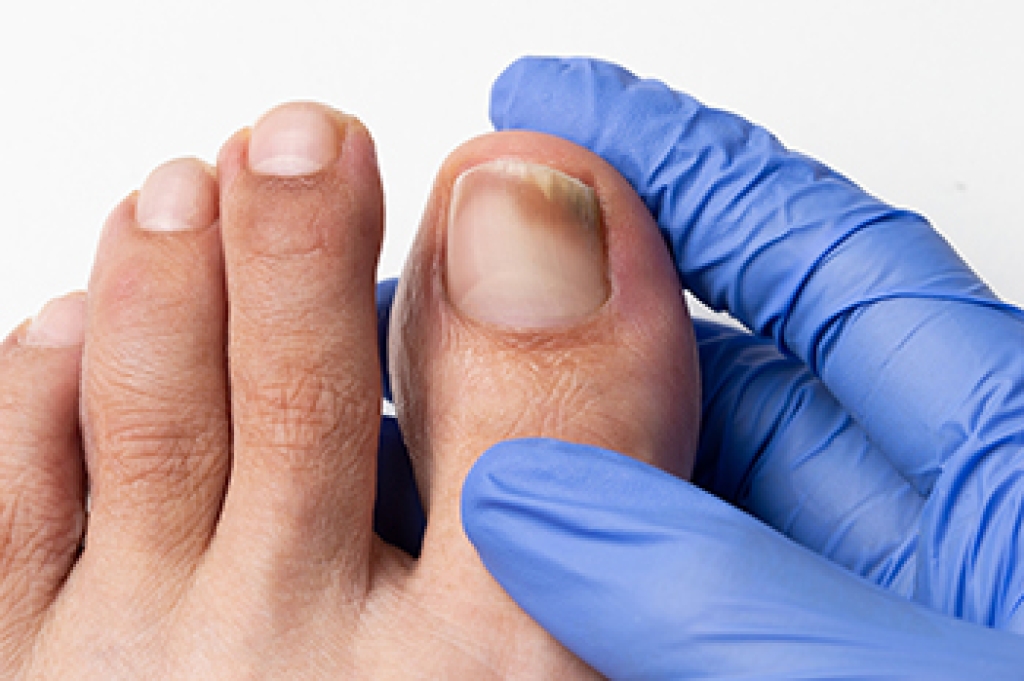
Toenail fungus is a common condition that affects the nail and surrounding skin when fungal organisms begin to grow in warm, moist environments. It often starts as a small discoloration under the nail and gradually spreads, causing the nail to become thickened, brittle, and discolored. Some people may notice a yellow or white color, along with a foul odor, in more advanced cases. Risk factors include wearing tight shoes, excessive sweating, walking barefoot in public areas, and having reduced circulation or immune response. The condition may develop slowly and can become difficult to manage if left untreated. Over time, it may lead to discomfort and changes in how the nail grows. A podiatrist can evaluate the infection, confirm the diagnosis, and recommend targeted treatments to restore nail health. If you have symptoms of toenail fungus, it is suggested that you consult a podiatrist who can effectively treat this condition, which may include prescribed medication.

If left untreated, toenail fungus may spread to other toenails, skin, or even fingernails. If you suspect you have toenail fungus it is important to seek treatment right away. For more information about treatment, contact Kimberly Woodard, DPM of Pinnacle Foot and Ankle Centers, LLC . Our doctor can provide the care you need to keep you pain-free and on your feet.

Symptoms

  • Warped or oddly shaped nails
  • Yellowish nails
  • Loose/separated nail
  • Buildup of bits and pieces of nail fragments under the nail
  • Brittle, broken, thickened nail

Treatment

If self-care strategies and over-the-counter medications does not help your fungus, your podiatrist may give you a prescription drug instead. Even if you find relief from your toenail fungus symptoms, you may experience a repeat infection in the future.

Prevention

In order to prevent getting toenail fungus in the future, you should always make sure to wash your feet with soap and water. After washing, it is important to dry your feet thoroughly especially in between the toes. When trimming your toenails, be sure to trim straight across instead of in a rounded shape. It is crucial not to cover up discolored nails with nail polish because that will prevent your nail from being able to “breathe”.

In some cases, surgical procedure may be needed to remove the toenail fungus. Consult with your podiatrist about the best treatment options for your case of toenail fungus.  

If you have any questions please contact our office located in Port St. Lucie, FL . We offer the newest diagnostic and treatment technologies for all your foot and ankle needs.

Read more about Treating Toenail Fungus

Exercises for Flat Feet and When to Seek Care

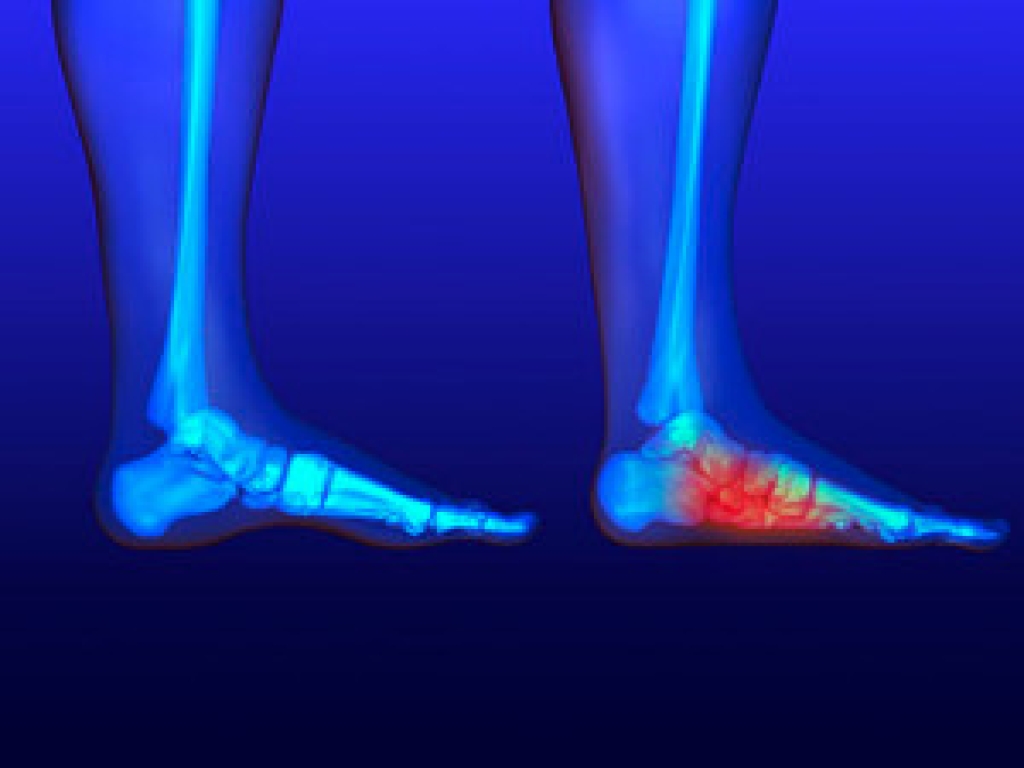
Flat feet is a condition where the arches of the feet are low or absent, causing the entire sole to touch the ground while standing. It may develop from genetics, ligament laxity, injury, or gradual strain over time. People with flat feet may notice foot fatigue, aching along the arch, or pain in the heel and ankle after activity. Simple exercises can help support the foot. These include heel stretches that can improve flexibility in the calf and reduce strain on the arch. Tennis ball rolls gently massage the bottom of the foot and promote circulation. Arch lifts strengthen the small muscles that support the foot structure. While these exercises may provide temporary relief, a podiatrist can evaluate alignment, recommend custom orthotics, and address underlying causes. If you have flat feet and your feet hurt or are consistently tired, it is suggested that you consult a podiatrist for additional relief and management tips.

Exercising your feet regularly with the proper foot wear is a great way to prevent injuries and build strength. If you have any concerns about your feet, contact Kimberly Woodard, DPM from Pinnacle Foot and Ankle Centers, LLC . Our doctor can provide the care you need to keep you pain-free and on your feet.

Exercise for Your Feet

Exercise for your feet can help you gain strength, mobility and flexibility in your feet. They say that strengthening your feet can be just as rewarding as strengthening another part of the body. Your feet are very important, and we often forget about them in our daily tasks. But it is because of our feet that are we able to get going and do what we need to. For those of us fortunate enough to not have any foot problems, it is an important gesture to take care of them to ensure good health in the long run.

Some foot health exercises can include ankle pumps, tip-toeing, toe rises, lifting off the floor doing reps and sets, and flexing the toes. It is best to speak with Our doctor to determine an appropriate regimen for your needs. Everyone’s needs and bodies are different, and the activities required to maintain strength in the feet vary from individual to individual. 

Once you get into a routine of doing regular exercise, you may notice a difference in your feet and how strong they may become.

If you have any questions, please feel free to contact our office located in Port St. Lucie, FL . We offer the newest diagnostic and treatment technologies for all your foot care needs.
Read more about Exercise for Your Feet

Connect With Us

Scroll to Top and to Pinnacle Foot and Ankle Centers Contacts