Fungus and Athlete's Foot

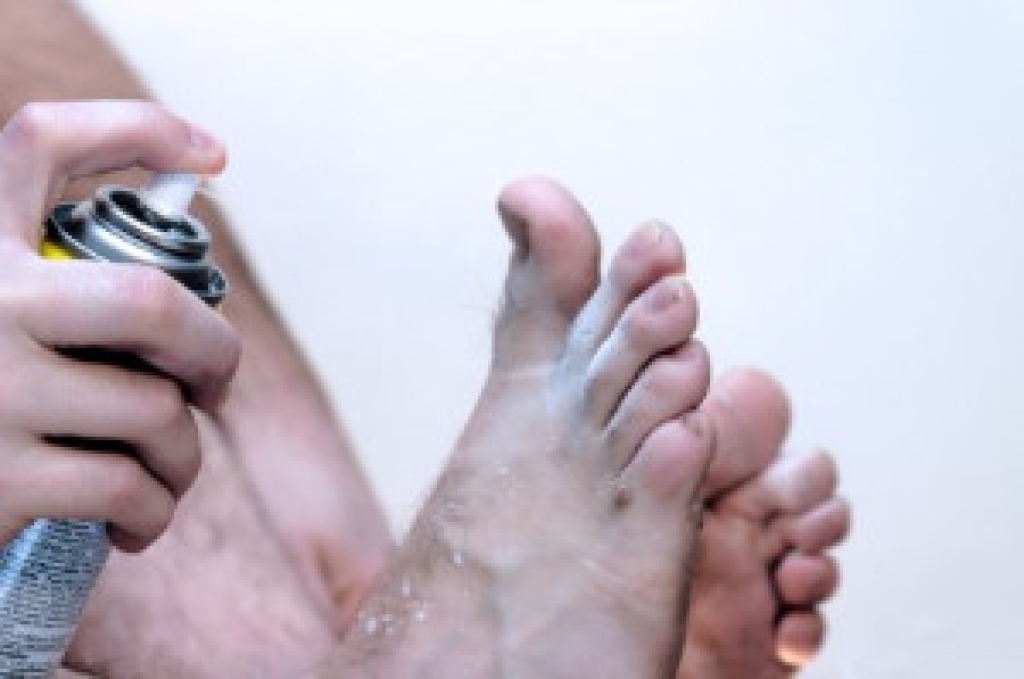
The foot condition that is known as athlete’s foot is caused by a fungus. This type of fungus is referred to as tinea pedis, and lives and thrives in warm and moist environments. These can include public shower room floors, locker rooms, pools, and their surrounding areas. Some of the symptoms that patients experience may include red and itchy skin, especially between the toes and the bottom of the feet, and small blisters, which may develop in severe cases. There are methods that can be implemented which can help to control the spread of athlete's foot. These can consist of wearing appropriate shoes while frequenting these types of areas, and avoiding sharing towels, shoes, and socks. Mild relief may be found when an antifungal powder or spray is used. If you are afflicted with this type of fungus, it is suggested that you speak to a podiatrist who can prescribe medicine that can promote recovery.

Athlete’s foot is an inconvenient condition that can be easily reduced with the proper treatment. If you have any concerns about your feet and ankles, contact Kimberly Woodard, DPM from Pinnacle Foot and Ankle Centers, LLC .  Our doctor will treat your foot and ankle needs.

Athlete’s Foot: The Sole Story

Athlete's foot, also known as tinea pedis, can be an extremely contagious foot infection. It is commonly contracted in public changing areas and bathrooms, dormitory style living quarters, around locker rooms and public swimming pools, or anywhere your feet often come into contact with other people.

Solutions to Combat Athlete’s Foot

  • Hydrate your feet by using lotion
  • Exfoliate
  • Buff off nails
  • Use of anti-fungal products
  • Examine your feet and visit your doctor if any suspicious blisters or cuts develop

Athlete’s foot can cause many irritating symptoms such as dry and flaking skin, itching, and redness. Some more severe symptoms can include bleeding and cracked skin, intense itching and burning, and even pain when walking. In the worst cases, Athlete’s foot can cause blistering as well. Speak to your podiatrist for a better understanding of the different causes of Athlete’s foot, as well as help in determining which treatment options are best for you.

If you have any questions please feel free to contact our office located in Port St. Lucie, FL . We offer the newest diagnostic and treatment technologies for all your foot and ankle needs.
Read more about Athlete's Foot

What Causes Plantar Warts?

Warts, which can grow throughout the body, are outgrowths on the skin that are caused by human papillomavirus (HPV).  Warts can be very contagious, and they can spread through skin-to-skin contact or through sharing personal items.  Plantar warts grow on the bottom of the feet and usually have tiny black dots in them.  Generally, warts disappear over time, but it may take months for them to do so.  While plantar warts are usually harmless, they can be very painful.  There are a variety of treatment options for warts that are causing pain, including chemical treatments and lasers.  Some podiatrists may even elect to surgically remove warts that have become a problem.  If you are experiencing painful plantar warts, make sure to discuss with a podiatrist which treatment options may be right for you.

Plantar warts can be very uncomfortable. If you need your feet checked, contact Kimberly Woodard, DPM from Pinnacle Foot and Ankle Centers, LLC . Our doctor will assist you with all of your foot and ankle needs.

About Plantar Warts

Plantar warts are the result of HPV, or human papillomavirus, getting into open wounds on the feet. They are mostly found on the heels or balls of the feet.

While plantar warts are generally harmless, those experiencing excessive pain or those suffering from diabetes or a compromised immune system require immediate medical care. Plantar warts are easily diagnosed, usually through scraping off a bit of rough skin or by getting a biopsy.

Symptoms

  • Lesions on the bottom of your feet, usually rough and grainy
  • Hard or thick callused spots
  • Wart seeds, which are small clotted blood vessels that look like little black spots
  • Pain, discomfort, or tenderness of your feet when walking or standing

Treatment

  • Freezing
  • Electric tool removal
  • Laser Treatment
  • Topical Creams (prescription only)
  • Over-the-counter medications

To help prevent developing plantar warts, avoid walking barefoot over abrasive surfaces that can cause cuts or wounds for HPV to get into. Avoiding direct contact with other warts, as well as not picking or rubbing existing warts, can help prevent the further spread of plantar warts. However, if you think you have developed plantar warts, speak to your podiatrist. He or she can diagnose the warts on your feet and recommend the appropriate treatment options.

If you have any questions, please feel free to contact our office located in Port St. Lucie, FL . We offer the newest diagnostic and treatment technologies for all your foot care needs.

Read more about All About Plantar Warts

Who Is Prone to Developing Sever’s Disease?

Children who frequently participate in running and jumping activities may complain about heel pain. It may be indicative of a condition that is referred to as Sever’s disease, which affects the growth plate in the heel. It may become irritated as a result of repetitive motions during specific sporting activities. Parents may notice that their child begins to walk with a limp, and the back of the heel may be swollen. It is beneficial to rest and elevate the affected foot, and it may help to relieve a portion of the pain when the calf muscles are stretched. If your active child complains of heel pain, it is advised that you schedule a consultation with a podiatrist who can properly diagnose and treat Sever’s disease.

Sever's disease often occurs in children and teens. If your child is experiencing foot or ankle pain, see Kimberly Woodard, DPM from Pinnacle Foot and Ankle Centers, LLC . Our doctor can treat your child’s foot and ankle needs.

Sever’s Disease

Sever’s disease is also known as calcaneal apophysitis, which is a medical condition that causes heel pain I none or both feet. The disease is known to affect children between the ages of 8 and 14.

Sever’s disease occurs when part of the child’s heel known as the growth plate (calcaneal epiphysis) is attached to the Achilles tendon. This area can suffer injury when the muscles and tendons of the growing foot do not keep pace with bone growth. Therefore, the constant pain which one experiences at the back of the heel will make the child unable to put any weight on the heel. The child is then forced to walk on their toes.

Symptoms

Acute pain – Pain associated with Sever’s disease is usually felt in the heel when the child engages in physical activity such as walking, jumping and or running.

Highly active – Children who are very active are among the most susceptible in experiencing Sever’s disease, because of the stress and tension placed on their feet.

If you have any questions, please feel free to contact our office located in Port St. Lucie, FL . We offer the newest diagnostic and treatment technologies for all your foot care needs.

Read more about Sever's Disease

Common Causes of Sesamoiditis

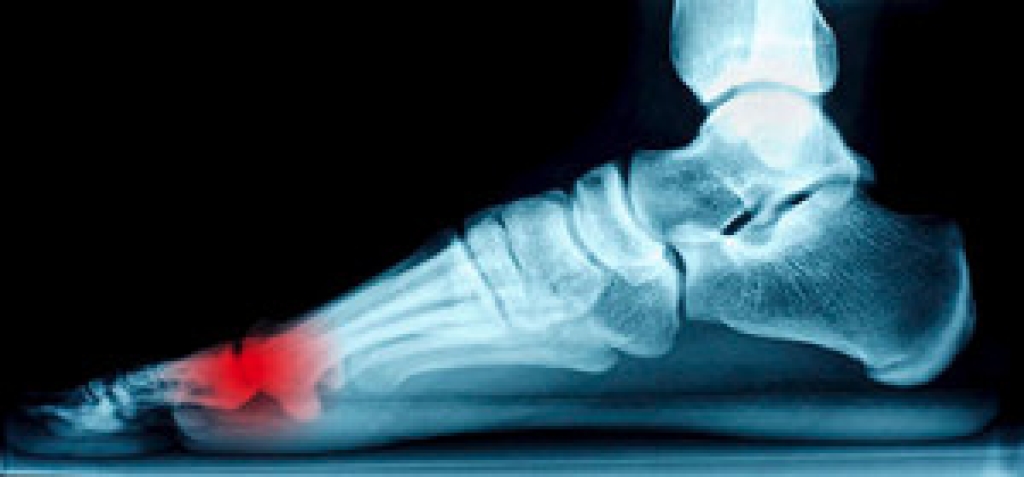
Younger adults who participate in sporting activities may run a higher risk of developing the foot condition known as sesamoiditis. Sesamoiditis is caused by inflammation of the sesamoid bones, located behind the big toe at the bottom of the foot. Those who commonly participate in physical activities can run the risk of placing stress on the feet. Common sporting activities linked to this condition may include soccer, football, dancing, and baseball, particularly for those who pitch. Another common cause can include wearing ill-fitting footwear. Shoes such as high heels, while often being too tight for the feet, can also cause one to fall. For more information and advice on how to treat sesamoiditis, please consult with a podiatrist.

Sesamoiditis is an unpleasant foot condition characterized by pain in the balls of the feet. If you think you’re struggling with sesamoiditis, contact Kimberly Woodard, DPM of Pinnacle Foot and Ankle Centers, LLC . Our doctor will treat your condition thoroughly and effectively.

Sesamoiditis

Sesamoiditis is a condition of the foot that affects the ball of the foot. It is more common in younger people than it is in older people. It can also occur with people who have begun a new exercise program, since their bodies are adjusting to the new physical regimen. Pain may also be caused by the inflammation of tendons surrounding the bones. It is important to seek treatment in its early stages because if you ignore the pain, this condition can lead to more serious problems such as severe irritation and bone fractures.

Causes of Sesamoiditis

  • Sudden increase in activity
  • Increase in physically strenuous movement without a proper warm up or build up
  • Foot structure: those who have smaller, bonier feet or those with a high arch may be more susceptible

Treatment for sesamoiditis is non-invasive and simple. Doctors may recommend a strict rest period where the patient forgoes most physical activity. This will help give the patient time to heal their feet through limited activity. For serious cases, it is best to speak with your doctor to determine a treatment option that will help your specific needs.

If you have any questions, please feel free to contact our office located in Port St. Lucie, FL . We offer the newest diagnostic and treatment technologies for all your foot care needs.

Read more about Sesamoiditis

Connect With Us

Scroll to Top and to Pinnacle Foot and Ankle Centers Contacts