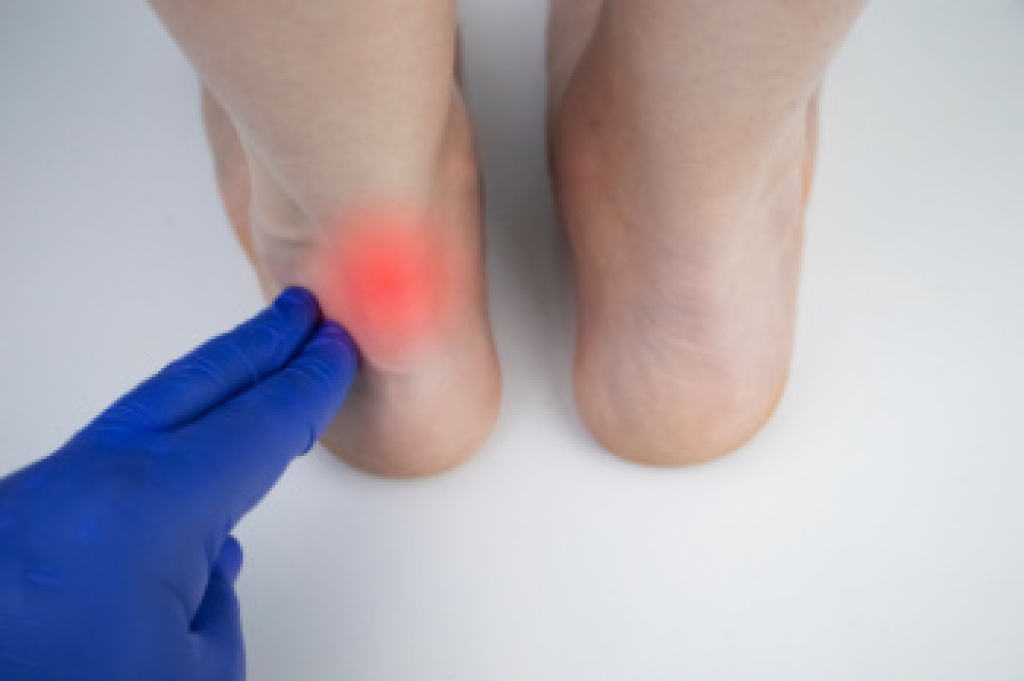
Understanding the Causes of Ankle Pain

Ankle pain is a common problem that can affect people of all ages and activity levels. The ankle is a complex joint that supports body weight while allowing the foot to move in different directions. Pain may develop suddenly after an injury or appear gradually from repeated stress. Common symptoms include swelling, stiffness, and tenderness surrounding the joint. Some people also experience bruising, difficulty walking, or a feeling that the ankle is unstable. Ankle pain may result from sprains, fractures, or inflammation of the tendons that connect muscles to bones. Because many conditions can produce similar symptoms, a professional evaluation is important to identify the underlying cause and recommend the most appropriate treatment.


Persistent ankle pain can interfere with everyday activities and limit mobility if left untreated. Ongoing discomfort may change the way a person walks, placing additional stress on the foot and lower leg. In some cases, such altered movement can increase strain on the knee or hip over time. A comprehensive podiatry examination helps evaluate the ankle's stability, range of motion, and overall function. Imaging studies may be recommended when a fracture or more serious injury is suspected. Early diagnosis allows treatment to begin before the condition progresses or causes long-term problems that affect balance and daily movement.


A podiatrist specializes in diagnosing and treating ankle pain while evaluating how the injury or condition affects the entire foot and ankle. Professional care focuses on relieving pain, restoring mobility, and improving joint function through an individualized treatment plan. Care is based on the cause of the symptoms and may be adjusted as healing progresses. Regular follow-up visits also help monitor recovery and reduce the risk of ongoing instability or recurring injuries. If you have persistent ankle pain, swelling, or difficulty walking, it is suggested that you consult a podiatrist for an evaluation and appropriate treatment options.

Ankle pain can be caused by a number of problems and may be potentially serious. If you have ankle pain, consult with Kimberly Woodard, DPM from Pinnacle Foot and Ankle Centers, LLC . Our doctor will assess your condition and provide you with quality foot and ankle treatment.

Ankle pain is any condition that causes pain in the ankle. Due to the fact that the ankle consists of tendons, muscles, bones, and ligaments, ankle pain can come from a number of different conditions.

Causes

The most common causes of ankle pain include:

  • Types of arthritis (rheumatoid, osteoarthritis, and gout)
  • Ankle sprains
  • Broken ankles
  • Achilles tendonitis
  • Achilles tendon rupture
  • Stress fractures
  • Bursitis
  • Tarsal tunnel syndrome
  • Plantar fasciitis

Symptoms

Symptoms of ankle injury vary based upon the condition. Pain may include general pain and discomfort, swelling, aching, redness, bruising, burning or stabbing sensations, and/or loss of sensation.

Diagnosis

Due to the wide variety of potential causes of ankle pain, podiatrists will utilize a number of different methods to properly diagnose ankle pain. This can include asking for personal and family medical histories and of any recent injuries. Further diagnosis may include sensation tests, a physical examination, and potentially x-rays or other imaging tests.

Treatment

Just as the range of causes varies widely, so do treatments. Some more common treatments are rest, ice packs, keeping pressure off the foot, orthotics and braces, medication for inflammation and pain, and surgery.

If you have any questions please feel free to contact our office located in Port St. Lucie, FL . We offer the newest diagnostic tools and technology to treat your foot and ankle needs.

Read more about Ankle Pain

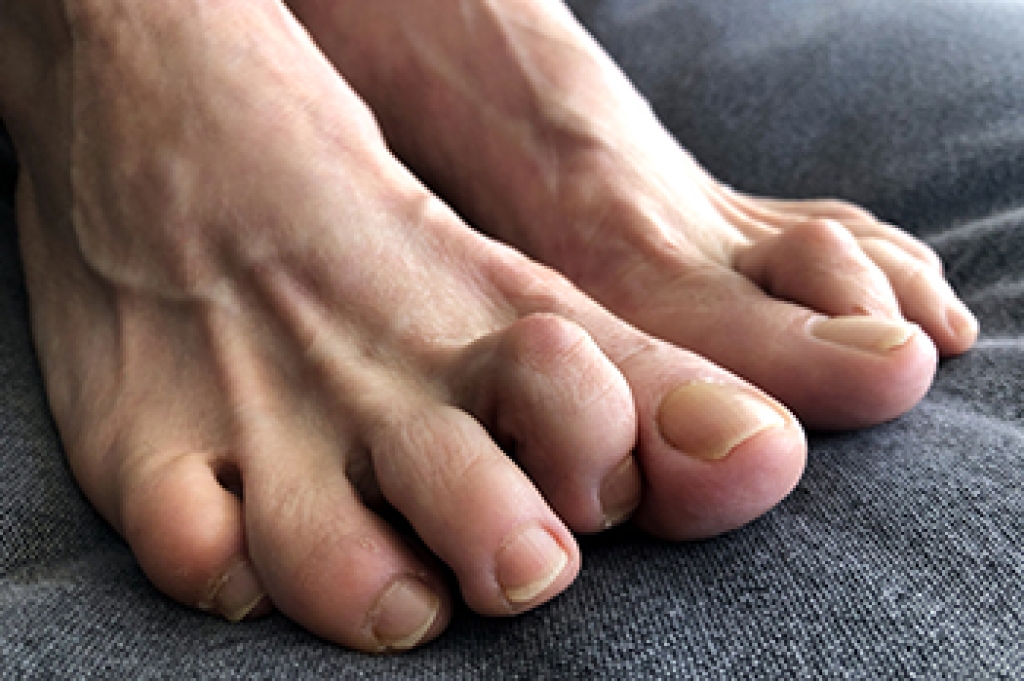
Bent Toes Can Signal a Hammertoe Deformity

A hammertoe deformity causes one of the smaller toes to bend at its middle joint instead of lying flat. The second toe is affected most frequently, although the condition can develop in other toes. It begins when the muscles and tendons that control the toe become unbalanced. This imbalance pulls the toe into an abnormal position. Possible causes include an inherited foot structure, a previous injury, or arthritis. A bunion can also push against the second toe and increase the risk of hammertoe. The joint can remain flexible at first but can later become stiff and fixed in place.

Symptoms usually develop when the bent toe rubs against the inside of a shoe. Patients can experience pain, redness, and swelling around the raised joint. A corn can form on top of the toe, while a callus can develop beneath the front of the foot. These thickened areas of skin result from repeated pressure and friction. Pain can become worse while walking or when wearing shoes with a narrow toe box. A podiatrist can examine the toe, test its flexibility, and check for related problems. Weight-bearing X-rays can show the position of the bones and the severity of the deformity.

Treatment depends on whether the toe is flexible or rigid and how much discomfort it causes. A podiatrist can recommend shoes with a deep, wide toe box to reduce pressure. Custom orthotics can improve the way weight is spread across the foot. Professional padding or splinting can also protect irritated skin and help position a flexible toe. The podiatrist can safely treat painful corns and calluses without damaging healthy tissue. Early care can help prevent increasing stiffness, skin sores, and continued pain. If you are in pain from a hammertoe deformity, it is suggested that you schedule an appointment with a podiatrist for a diagnosis and appropriate treatment.

Hammertoe

Hammertoes can be a painful condition to live with. For more information, contact Kimberly Woodard, DPM from Pinnacle Foot and Ankle Centers, LLC . Our doctor will answer any of your foot- and ankle-related questions.

Hammertoe is a foot deformity that affects the joints of the second, third, fourth, or fifth toes of your feet. It is a painful foot condition in which these toes curl and arch up, which can often lead to pain when wearing footwear.

Symptoms

  • Pain in the affected toes
  • Development of corns or calluses due to friction
  • Inflammation
  • Redness
  • Contracture of the toes

Causes

Genetics – People who are genetically predisposed to hammertoe are often more susceptible

Arthritis – Because arthritis affects the joints in your toes, further deformities stemming from arthritis can occur

Trauma – Direct trauma to the toes could potentially lead to hammertoe

Ill-fitting shoes – Undue pressure on the front of the toes from ill-fitting shoes can potentially lead to the development of hammertoe

Treatment

Orthotics – Custom made inserts can be used to help relieve pressure placed on the toes and therefore relieve some of the pain associated with it

Medications – Oral medications such as anti-inflammatories or NSAIDs could be used to treat the pain and inflammation hammertoes causes. Injections of corticosteroids are also sometimes used

Surgery – In more severe cases where the hammertoes have become more rigid, foot surgery is a potential option

If you have any questions, please feel free to contact our office located in Port St. Lucie, FL . We offer the newest diagnostic and treatment technologies for all your foot care needs.

Read more about Hammertoe

Heel Pain Can Be Treated!

Do you suffer from heel pain when you get up in the morning? If so, you should seek professional help and have a proper diagnosis performed. Heel pain can be caused by several different foot-related conditions.

What Cracking Sounds in the Toes Could Mean

A cracking sound from the toes can happen when a joint bends, stretches, or changes position. One harmless cause is the release of gas bubbles in joint fluid. A tendon or ligament can shift across a bone and create a quick snap. Ligaments are strong bands of tissue that connect bones. These noises can occur after sitting still, when moving the toes, or while walking. Cracking without pain, swelling, or loss of movement does not always mean that the joint is damaged. However, a new sound that keeps returning deserves attention, especially when it affects comfort or movement.

Toe cracking can also be linked to an earlier injury, a small stress fracture, or arthritis. An old injury can change the position of a joint or leave scar tissue that catches as the toe bends. Arthritis wears down the cartilage that protects the ends of bones. As the joint surfaces become rough, movement can produce grinding, crunching, or popping sounds. Gout, a form of arthritis caused by uric acid crystals, can bring pain and swelling to the big-toe joint. Warning signs include warmth, stiffness, and difficulty pushing off the foot. A toe that locks, changes shape, or hurts with pressure also needs professional evaluation.

A podiatrist can examine the toes, check joint movement, and locate tenderness. The evaluation also considers past injuries, activity level, and changes in the sound. X-rays can reveal fractures, joint damage, or bone spurs. Other imaging can provide more detail when an injury is suspected. Treatment depends on the cause and can include custom orthotics to reduce pressure or shoe recommendations to improve support. A podiatrist can provide joint injections for painful conditions. If your toes make a cracking sound, it is suggested that you schedule an appointment with a podiatrist for a diagnosis and appropriate treatment.

Toe pain can disrupt your daily activities. If you have any concerns, contact Kimberly Woodard, DPM of Pinnacle Foot and Ankle Centers, LLC . Our doctor can provide the care you need to keep you pain-free and on your feet.

What Causes Toe Pain?

Most severe toe pain is caused due to a sports injury, trauma from dropping something heavy on the toe, or bumping into something rigid. Other problems can develop over time for various reasons.

Toe pain can be caused by one or more ailments. The most common include:

  • Trauma
  • Sports injury
  • Wearing shoes that are too tight
  • Arthritis
  • Gout
  • Corns and calluses
  • Hammertoe
  • Bunions
  • Blisters
  • Ingrown toenails
  • Sprains
  • Fractures (broken bones)
  • Dislocations

When to See a Podiatrist

  • Severe pain
  • Persistent pain that lasts more than a week
  • Signs of infection
  • Continued swelling
  • Pain that prevents walking

Diagnosis

In many cases the cause of toe pain is obvious, but in others, a podiatrist may want to use more advanced methods to determine the problem. These can range from simple visual inspections and sensation tests to X-rays and MRI scans. Prior medical history, family medical history, and any recent physical traumatic events will all be taken into consideration for a proper diagnosis.

Treatment

Treatments for toe pain and injuries vary and may include shoe inserts, padding, taping, medicines, injections, and in some cases, surgery. If you believe that you have broken a toe, please see a podiatrist as soon as possible.

If you have any questions please contact our office located in Port St. Lucie, FL . We offer the newest diagnostic and treatment technologies for all your foot and ankle needs.

Read more about Toe Pain

What Is an Achilles Tendon Injury?

An Achilles tendon injury affects the strong band of tissue that connects the calf muscles to the heel bone. This tendon plays a key role in walking, running, and jumping by allowing the foot to push off the ground. Injuries can range from mild irritation to partial or complete tears. These injuries often develop due to overuse or sudden stress on the tendon. Understanding the definition and causes of Achilles tendon injuries can help individuals take steps to protect their mobility.

Symptoms of an Achilles tendon injury may include pain along the back of the heel, stiffness, and swelling. Discomfort is often worse during activity or after periods of rest. Some individuals notice a tight feeling in the lower leg or difficulty pushing off while walking. In more severe cases, a sudden sharp pain may occur, sometimes described as a snapping sensation. Reduced strength and limited movement can affect daily activities and athletic performance.


Several risk factors contribute to Achilles tendon injuries. Weak calf muscles and ankle instability can increase strain on the tendon during movement. Changes in playing surface, such as moving from soft to hard ground, may place additional stress on the foot and ankle. Wearing high heels regularly can shorten the tendon over time, making it more vulnerable to injury when switching to flat shoes. Other risk factors include sudden increases in physical activity, improper footwear, and inadequate warm up routines.


Preventing Achilles tendon injuries involves strengthening the calf muscles, improving flexibility, and maintaining proper footwear habits. Gradual increases in activity and attention to surface changes can reduce strain on the tendon. Stretching exercises and supportive shoes can help maintain proper alignment and reduce injury risk. Early recognition of symptoms allows for timely care and better outcomes. If you have an Achilles tendon injury, it is suggested that you consult a podiatrist for effective relief and treatment solutions.

Achilles tendon injuries need immediate attention to avoid future complications. If you have any concerns, contact Kimberly Woodard, DPM of Pinnacle Foot and Ankle Centers, LLC . Our doctor can provide the care you need to keep you pain-free and on your feet.

What Is the Achilles Tendon?

The Achilles tendon is a tendon that connects the lower leg muscles and calf to the heel of the foot. It is the strongest tendon in the human body and is essential for making movement possible. Because this tendon is such an integral part of the body, any injuries to it can create immense difficulties and should immediately be presented to a doctor.

What Are the Symptoms of an Achilles Tendon Injury?

There are various types of injuries that can affect the Achilles tendon. The two most common injuries are Achilles tendinitis and ruptures of the tendon.

Achilles Tendinitis Symptoms

  • Inflammation
  • Dull to severe pain
  • Increased blood flow to the tendon
  • Thickening of the tendon

Rupture Symptoms

  • Extreme pain and swelling in the foot
  • Total immobility

Treatment and Prevention

Achilles tendon injuries are diagnosed by a thorough physical evaluation, which can include an MRI. Treatment involves rest, physical therapy, and in some cases, surgery. However, various preventative measures can be taken to avoid these injuries, such as:

  • Thorough stretching of the tendon before and after exercise
  • Strengthening exercises like calf raises, squats, leg curls, leg extensions, leg raises, lunges, and leg presses

If you have any questions please feel free to contact our office located in Port St. Lucie, FL . We offer the newest diagnostic tools and technology to treat your foot and ankle needs.

Read more about Achilles Tendon Injuries

Connect With Us

Scroll to Top and to Pinnacle Foot and Ankle Centers Contacts