Types of Foot Surgery

While more conservative treatments are likely to be used first, surgery is an option for a variety of foot conditions as a last result. Bunion surgery is often used to realign the joints and reduce the pain caused by bunions. Hammertoes can also be treated with surgery where the tendons, bones, or joints may be moved to straighten the toes. Severe cases of neuroma may require a portion of the nerve to be removed as well. A podiatrist may elect to have a fusion surgery done to treat arthritis. This occurs when the bones of the feet are fused together so they no longer rub against each other causing pain. While surgery can be used for a variety of ailments, keep in mind that it is typically used as a last resort. Therefore, if you have any concerns with your feet, make sure to consult with a podiatrist to discuss the best possible course of treatment for you.

Foot surgery is sometimes necessary to treat a foot ailment. To learn more, contact Kimberly Woodard, DPM of Pinnacle Foot and Ankle Centers, LLC . Our doctor will assist you with all of your foot and ankle needs.

When Is Surgery Necessary?

Foot and ankle surgery is generally reserved for cases in which less invasive, conservative procedures have failed to alleviate the problem. Some of the cases in which surgery may be necessary include:

  • Removing foot deformities like bunions and bone spurs
  • Severe arthritis that has caused bone issues
  • Cosmetic reconstruction

What Types of Surgery Are There?

The type of surgery you receive will depend on the nature of the problem you have. Some of the possible surgeries include:

  • Bunionectomy for painful bunions
  • Surgical fusion for realignment of bones
  • Neuropathy decompression surgery to treat nerve damage

Benefits of Surgery

Although surgery is usually a last resort, it can provide more complete pain relief compared to non-surgical methods and may allow you to finally resume full activity.

Surgical techniques have also become increasingly sophisticated. Techniques like endoscopic surgery allow for smaller incisions and faster recovery times.

If you have any questions, please feel free to contact our office located in Port St. Lucie, FL . We offer the newest diagnostic and treatment technologies for all your foot care needs.

Read more about Foot and Ankle Surgery

Sesamoiditis and Runners

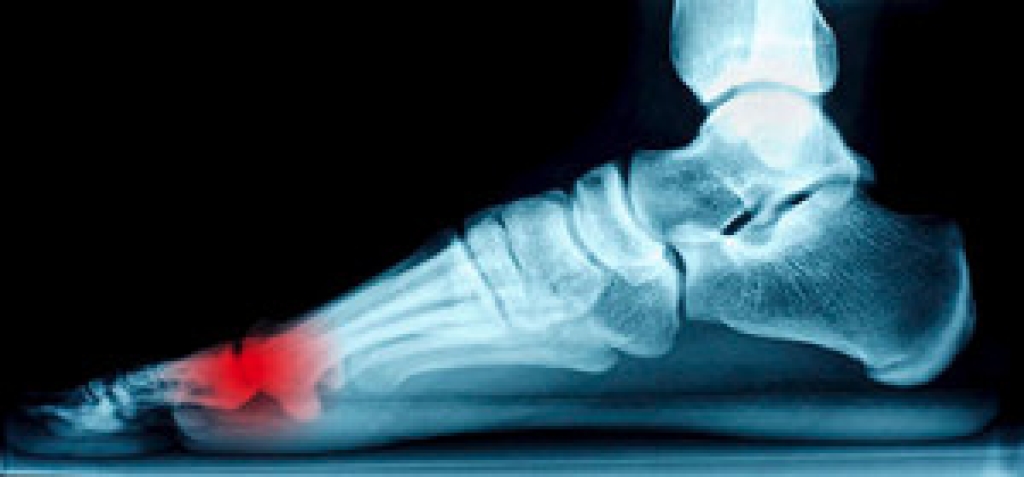
Sesamoiditis is a common condition among athletes, specifically runners. This condition can occur when there is inflammation present in the tendons of the foot. When sesamoiditis has developed, runners may experience pain in the balls of their feet. Some have described the condition as feeling like they have a rock stuck in their shoe. A sharp or burning sensation in the toe area can also be indicative of sesamoiditis. For a proper diagnosis, and advice on running techniques to prevent his condition, please speak with a podiatrist.

Sesamoiditis is an unpleasant foot condition characterized by pain in the balls of the feet. If you think you’re struggling with sesamoiditis, contact Kimberly Woodard, DPM of Pinnacle Foot and Ankle Centers, LLC . Our doctor will treat your condition thoroughly and effectively.

Sesamoiditis

Sesamoiditis is a condition of the foot that affects the ball of the foot. It is more common in younger people than it is in older people. It can also occur with people who have begun a new exercise program, since their bodies are adjusting to the new physical regimen. Pain may also be caused by the inflammation of tendons surrounding the bones. It is important to seek treatment in its early stages because if you ignore the pain, this condition can lead to more serious problems such as severe irritation and bone fractures.

Causes of Sesamoiditis

  • Sudden increase in activity
  • Increase in physically strenuous movement without a proper warm up or build up
  • Foot structure: those who have smaller, bonier feet or those with a high arch may be more susceptible

Treatment for sesamoiditis is non-invasive and simple. Doctors may recommend a strict rest period where the patient forgoes most physical activity. This will help give the patient time to heal their feet through limited activity. For serious cases, it is best to speak with your doctor to determine a treatment option that will help your specific needs.

If you have any questions, please feel free to contact our office located in Port St. Lucie, FL . We offer the newest diagnostic and treatment technologies for all your foot care needs.

Read more about Sesamoiditis

When Can I Go Back to Sports After an Ankle Sprain?

Ankle sprains are injuries to the ligaments that support the ankle, and are quite common among athletes. When you sprain your ankle, it is generally recommended that you avoid sports and other strenuous activities that put pressure on the affected ankle. Prior to returning to your typical activities, you will want your ankle sprain to be fully healed. Generally, this means that any swelling has gone down, you can bear weight on the affected ankle without limping, you have a full range of motion, your strength returns to normal, and your ankle is no longer causing you pain. You will also, of course, want to get permission from your doctor to return to your usual activities. For more information about ankle sprains and when to return to your normal routines, consult with a podiatrist.

Ankle sprains are common but need immediate attention. If you need your feet checked, contact Kimberly Woodard, DPM from Pinnacle Foot and Ankle Centers, LLC . Our doctor can provide the care you need to keep you pain-free and on your feet.

How Does an Ankle Sprain Occur?

Ankle sprains take place when the ligaments in your ankle are torn or stretched beyond their limits. There are multiple ways that the ankle can become injured, including twisting or rolling over onto your ankle, putting undue stress on it, or causing trauma to the ankle itself.

What Are the Symptoms?

  • Mild to moderate bruising
  • Limited mobility
  • Swelling
  • Discoloration of the skin (depending on severity)

Preventing a Sprain

  • Wearing appropriate shoes for the occasion
  • Stretching before exercises and sports
  • Knowing your limits

Treatment of a Sprain

Treatment of a sprain depends on the severity.  Many times, people are told to rest and remain off their feet completely, while others are given an air cast. If the sprain is very severe, surgery may be required.

If you have suffered an ankle sprain previously, you may want to consider additional support such as a brace and regular exercises to strengthen the ankle.

If you have any questions please feel free to contact our office located in Port St. Lucie, FL . We offer the newest diagnostic tools and technology to treat your foot and ankle needs.

Read more about Ankle Sprains

How is an Achilles Tendon Injury Diagnosed?

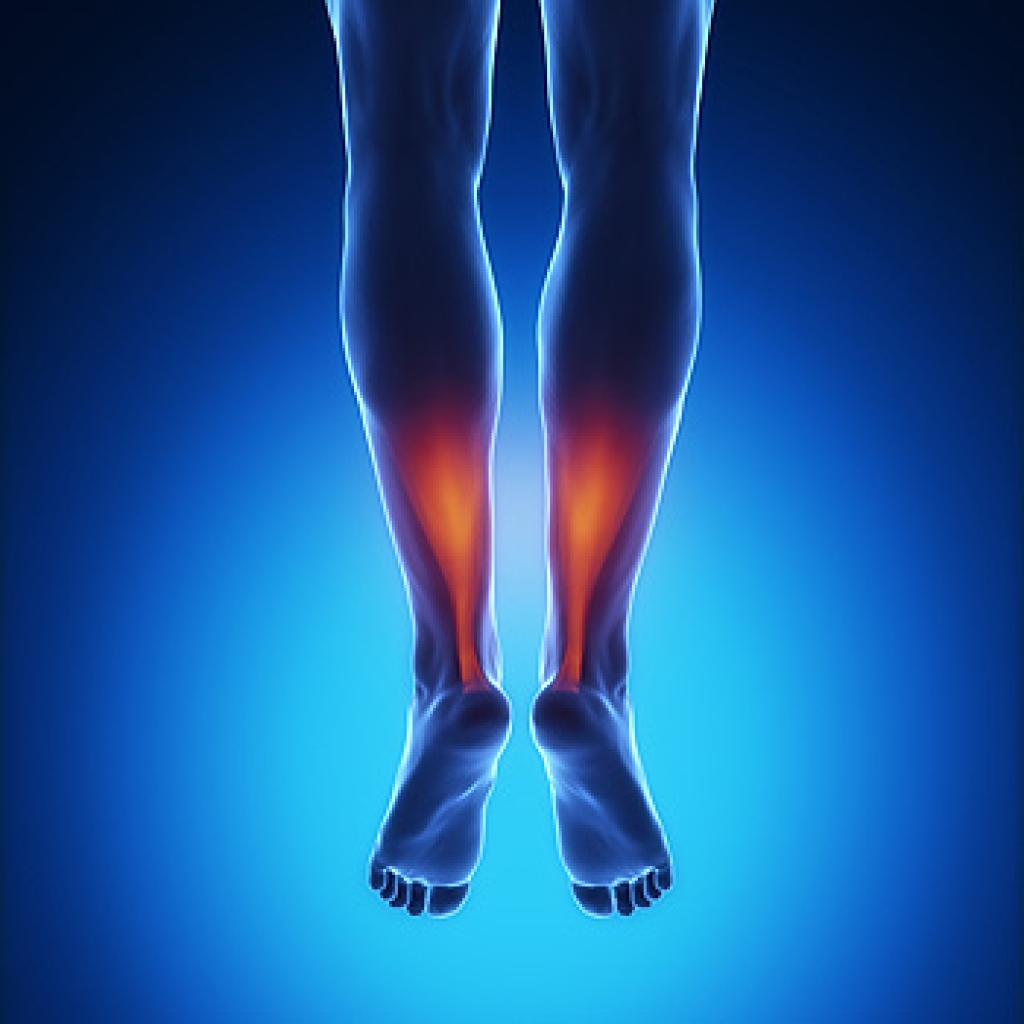
The Achilles tendon is known to be the largest tendon in the body. It is located in the back of the leg and connects the calf to the heel. An injury to this tendon can cause severe pain and discomfort, and can happen for a variety of reasons. These can include wearing shoes that do not fit correctly, improperly warming up before running, or increasing a workout intensity too quickly. The common symptoms of an Achilles tendon injury can consist of swelling in the heel and surrounding areas, and it may be difficult to walk and stand. After a proper diagnosis is made, which generally consists of having an X-ray, ultrasound, or MRI performed, the correct treatment can begin. If you have endured an Achilles tendon injury, it is strongly suggested that you consult with a podiatrist who will determine what the best treatment is for you.

Achilles tendon injuries need immediate attention to avoid future complications. If you have any concerns, contact Kimberly Woodard, DPM of Pinnacle Foot and Ankle Centers, LLC . Our doctor can provide the care you need to keep you pain-free and on your feet.

What Is the Achilles Tendon?

The Achilles tendon is a tendon that connects the lower leg muscles and calf to the heel of the foot. It is the strongest tendon in the human body and is essential for making movement possible. Because this tendon is such an integral part of the body, any injuries to it can create immense difficulties and should immediately be presented to a doctor.

What Are the Symptoms of an Achilles Tendon Injury?

There are various types of injuries that can affect the Achilles tendon. The two most common injuries are Achilles tendinitis and ruptures of the tendon.

Achilles Tendinitis Symptoms

  • Inflammation
  • Dull to severe pain
  • Increased blood flow to the tendon
  • Thickening of the tendon

Rupture Symptoms

  • Extreme pain and swelling in the foot
  • Total immobility

Treatment and Prevention

Achilles tendon injuries are diagnosed by a thorough physical evaluation, which can include an MRI. Treatment involves rest, physical therapy, and in some cases, surgery. However, various preventative measures can be taken to avoid these injuries, such as:

  • Thorough stretching of the tendon before and after exercise
  • Strengthening exercises like calf raises, squats, leg curls, leg extensions, leg raises, lunges, and leg presses

If you have any questions please feel free to contact our office located in Port St. Lucie, FL . We offer the newest diagnostic tools and technology to treat your foot and ankle needs.

Read more about What are Achilles Tendon Injuries

Heel Pain Can Be Treated!

Do you suffer from heel pain when you get up in the morning? If so, you should seek professional help and have a proper diagnosis performed. Heel pain can be caused by several different foot-related conditions.

Connect With Us

Scroll to Top and to Pinnacle Foot and Ankle Centers Contacts