Bunion Symptoms and Surgical Treatment

A bunion is a common foot deformity that develops when the big toe shifts toward the smaller toes. This creates a noticeable bump along the inside of the foot near the big toe joint. Symptoms may include pain, swelling, and difficulty wearing shoes. Some people also develop corns or calluses from pressure. Risk factors include family history, inherited foot structure, and wearing tight footwear. Bunions can progress slowly, making early attention helpful for comfort.

A podiatrist will examine your foot and ask about symptoms, activity, and medical history. X-rays may help evaluate bone alignment and joint changes. Treatment often begins with conservative care. Wearing wider shoes or orthotics may reduce irritation, and stretching may improve flexibility. Bunion surgery may be considered when pain continues despite treatment, walking becomes difficult, or the deformity interferes with daily activities. The decision is largely based on symptoms and function rather than appearance alone.


Bunion surgery aims to improve alignment and relieve pressure surrounding the affected joint. The procedure depends on the bunion’s severity and foot structure. A podiatrist may realign the bone, correct joint positioning, or adjust surrounding tissues. After surgery, you may need a protective shoe, elevation, and medication. Follow-up visits help the podiatrist monitor healing and increase activity. Following post-operative instructions carefully can help promote smoother healing.


Consistent bunion pain can affect walking, work, and comfort. Surgery is not necessary for every bunion, but it can provide relief when symptoms persist and conservative care has not worked. An evaluation can clarify whether surgery is appropriate and which procedure may fit your needs. If you have a bunion and are considering foot surgery for relief, it is suggested that you consult a podiatrist who can discuss the benefits of this procedure with you.

Foot surgery is sometimes necessary to treat a foot ailment. To learn more, contact Kimberly Woodard, DPM of Pinnacle Foot and Ankle Centers, LLC . Our doctor will assist you with all of your foot and ankle needs.

When Is Surgery Necessary?

Foot and ankle surgery is generally reserved for cases in which less invasive, conservative procedures have failed to alleviate the problem. Some of the cases in which surgery may be necessary include:

  • Removing foot deformities like bunions and bone spurs
  • Severe arthritis that has caused bone issues
  • Cosmetic reconstruction

What Types of Surgery Are There?

The type of surgery you receive will depend on the nature of the problem you have. Some of the possible surgeries include:

  • Bunionectomy for painful bunions
  • Surgical fusion for realignment of bones
  • Neuropathy decompression surgery to treat nerve damage

Benefits of Surgery

Although surgery is usually a last resort, it can provide more complete pain relief compared to non-surgical methods and may allow you to finally resume full activity.

Surgical techniques have also become increasingly sophisticated. Techniques like endoscopic surgery allow for smaller incisions and faster recovery times.

If you have any questions, please feel free to contact our office located in Port St. Lucie, FL . We offer the newest diagnostic and treatment technologies for all your foot care needs.
Read more about Foot and Ankle Surgery

How Gout Can Affect Your Feet

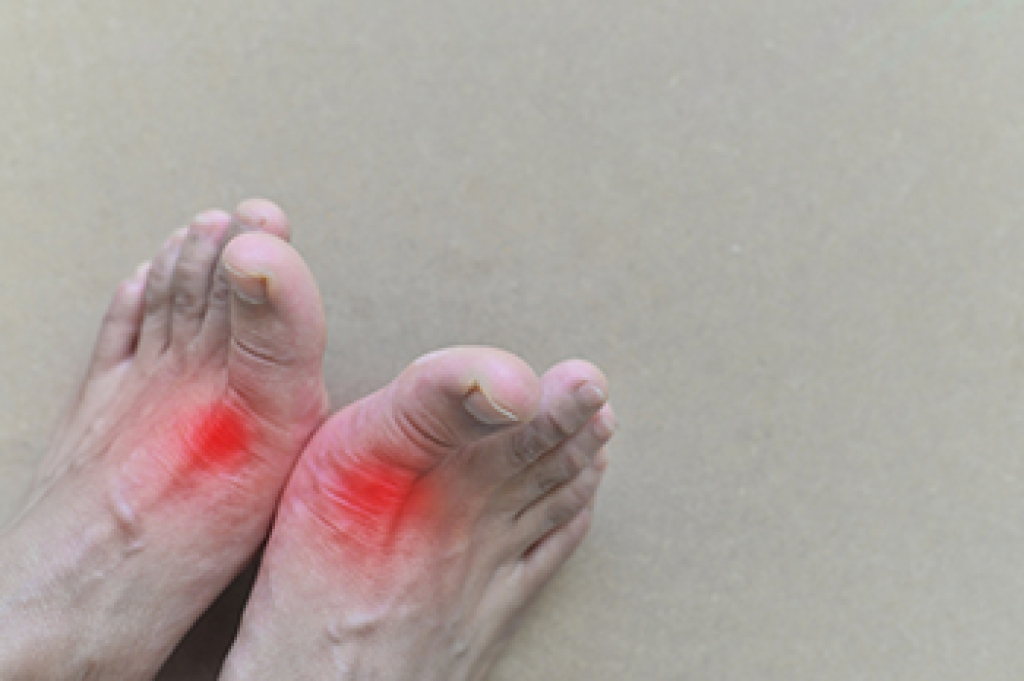
Gout can cause sudden episodes of severe pain in the joints of the foot. It is a form of inflammatory arthritis and often begins in the big toe, although the ankle and other toes may also be affected. A gout flare typically affects one joint at a time, and may begin suddenly during the night. The painful joint can become swollen, red, and warm. Symptoms usually improve within one or two weeks, but the timing between attacks varies. Some people experience frequent episodes, while others may go years without another flare. When gout affects the foot, the discomfort can make normal walking and movement difficult.


The underlying cause of gout is a long-term buildup of uric acid in the body. Uric acid is a waste product produced when substances called purines are broken down. The kidneys normally filter uric acid from the blood. However, the body may produce too much or fail to remove enough. In some people, the excess uric acid forms sharp crystals inside the joints, leading to inflammation and pain. Without treatment, gout attacks may eventually become more frequent and last longer. Long-term gout can also produce hard deposits called tophi that may damage bones and surrounding tissues.


A podiatrist can examine a painful foot joint and help determine whether gout may be responsible for the symptoms. Diagnosis can involve reviewing the patient's medical history and examining the affected joint. Testing may also be needed to identify uric acid crystals or rule out other causes of foot pain. Treatment can help relieve gout flares and reduce the chance of future attacks. Certain medications may also lower uric acid levels and help prevent complications. If you have sudden and intense pain or swelling in a foot joint, it is suggested that you consult a podiatrist who can help you to manage this painful condition.

Gout is a foot condition that requires certain treatment and care. If you are seeking treatment, contact Kimberly Woodard, DPM from Pinnacle Foot and Ankle Centers, LLC . Our doctor will treat your foot and ankle needs.

What Is Gout?

Gout is a type of arthritis caused by a buildup of uric acid in the bloodstream. It often develops in the foot, especially the big toe area, although it can manifest in other parts of the body as well. Gout can make walking and standing very painful and is especially common in diabetics and the obese.

People typically get gout because of a poor diet. Genetic predisposition is also a factor. The children of parents who have had gout frequently have a chance of developing it themselves.

Gout can easily be identified by redness and inflammation of the big toe and the surrounding areas of the foot. Other symptoms include extreme fatigue, joint pain, and running high fevers. Sometimes corticosteroid drugs can be prescribed to treat gout, but the best way to combat this disease is to get more exercise and eat a better diet.

If you have any questions, please feel free to contact our office located in Port St. Lucie, FL . We offer the newest diagnostic and treatment technologies for all your foot care needs.

Read more about Everything You Need to Know About Gout

Do You Suffer From Painful Feet?

Painful deformities, such as hammertoes, can be treated. Stop living with foot pain, and have beautiful feet again!

Foot Wound Care Begins With Early Attention

Foot wounds are breaks in the skin that can range from cuts and blisters to deeper ulcers. They may develop from friction, injuries, or stress. Symptoms can include redness, swelling, or drainage. Warmth, tenderness, or changes in skin color are also common. Some people may have little pain even when a wound is serious. Risk factors include diabetes, neuropathy, or obesity. Early foot wound care can reduce complications and support healing.

Preventing foot wounds starts with daily inspection. Check both feet for cuts, blisters, and temperature changes. A warmer or cooler area can signal inflammation or reduced circulation, and should not be ignored. Keep skin clean and moisturized, while avoiding lotion between the toes. Wear properly-fitted shoes and clean socks that reduce friction. If you cannot see the bottoms of your feet, use a mirror or ask for help.


A podiatrist can evaluate a current wound and determine its depth, cause, and infection risk. Treatment may include cleaning the wound, removing unhealthy tissue, and applying an appropriate dressing around the wound. Your podiatrist may recommend specialized footwear or off-loading devices to protect the wound. Toenails should be trimmed carefully, especially when vision, flexibility, or sensation is limited. Follow-up visits help monitor progress and adjust treatment.


Do not ignore a wound that is enlarging, becoming red, or failing to heal. Prompt podiatric care is especially important when risk factors increase the chance of complications. A podiatrist can create a treatment plan and provide guidance for preventing future wounds and protect your long-term overall foot health. Inspect your feet daily and protect areas that show pressure or irritation. If you have a foot wound, it is suggested that you promptly consult a podiatrist for effective relief and treatment solutions. 

Wound care is an important part in dealing with diabetes. If you have diabetes and a foot wound or would like more information about wound care for diabetics, consult with Kimberly Woodard, DPM from Pinnacle Foot and Ankle Centers, LLC . Our doctor will assess your condition and provide you with quality foot and ankle treatment.

What Is Wound Care?

Wound care is the practice of taking proper care of a wound. This can range from the smallest to the largest of wounds. While everyone can benefit from proper wound care, it is much more important for diabetics. Diabetics often suffer from poor blood circulation which causes wounds to heal much slower than they would in a non-diabetic. 

What Is the Importance of Wound Care?

While it may not seem apparent with small ulcers on the foot, for diabetics, any size ulcer can become infected. Diabetics often also suffer from neuropathy, or nerve loss. This means they might not even feel when they have an ulcer on their foot. If the wound becomes severely infected, amputation may be necessary. Therefore, it is of the upmost importance to properly care for any and all foot wounds.

How to Care for Wounds

The best way to care for foot wounds is to prevent them. For diabetics, this means daily inspections of the feet for any signs of abnormalities or ulcers. It is also recommended to see a podiatrist several times a year for a foot inspection. If you do have an ulcer, run the wound under water to clear dirt from the wound; then apply antibiotic ointment to the wound and cover with a bandage. Bandages should be changed daily and keeping pressure off the wound is smart. It is advised to see a podiatrist, who can keep an eye on it.

If you have any questions please contact our office located in Port St. Lucie, FL . We offer the newest diagnostic and treatment technologies for all your foot and ankle needs.

Read more about Wound Care

Understanding Athlete's Foot and Treatment Options

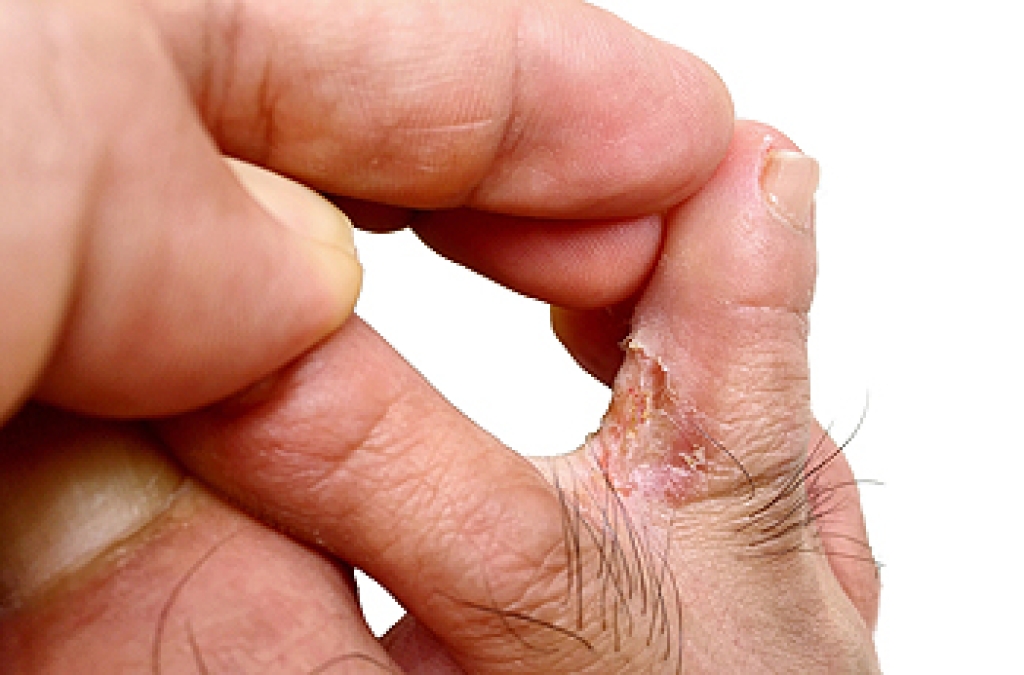
Athlete's foot is a fungal infection that affects the skin of the feet and can spread when left untreated. Fungi are tiny living organisms that grow well in warm, moist environments. The infection frequently begins between the toes, but it can also affect the soles, sides, or heels of the feet. Patients often notice itching, burning, or peeling skin. Redness and cracking can also develop, making walking uncomfortable. In more severe cases, blisters or painful skin splits can appear. Because several skin conditions produce similar symptoms, a podiatrist can perform a thorough examination to determine whether a fungal infection is causing the problem and recommend the most appropriate treatment.

Athlete's foot spreads through direct contact with infected skin or contaminated surfaces. Places like locker rooms, public showers, and swimming pool areas increase the chance of exposure. The infection also spreads through shared towels, socks, or shoes. Wearing shoes for long periods can create a warm, damp environment that encourages fungal growth. Patients with diabetes or weakened immune systems can have a greater risk of developing more severe infections. A podiatrist can identify the specific type of fungal infection and determine whether it has spread to the toenails or other areas of the foot.

Treatment depends on the severity of the infection and how much skin is involved. A podiatrist can prescribe antifungal medications that target the fungus and help clear the infection. Patients with more extensive infections sometimes require oral medication to improve treatment results. A podiatrist also evaluates the feet for skin damage, nail involvement, and signs of a bacterial infection that can develop when cracked skin allows bacteria to enter. Early diagnosis and podiatric l treatment can improve comfort, reduce the chance of recurring infections, and help protect long-term foot health. If you have symptoms of athlete's foot, it is suggested that you  schedule an appointment with a podiatrist for effective relief and treatment solutions. 

Athlete’s foot is an inconvenient condition that can be easily reduced with the proper treatment. If you have any concerns about your feet and ankles, contact Kimberly Woodard, DPM from Pinnacle Foot and Ankle Centers, LLC .  Our doctor will treat your foot and ankle needs.

Athlete’s Foot: The Sole Story

Athlete's foot, also known as tinea pedis, can be an extremely contagious foot infection. It is commonly contracted in public changing areas and bathrooms, dormitory style living quarters, around locker rooms and public swimming pools, or anywhere your feet often come into contact with other people.

Solutions to Combat Athlete’s Foot

  • Hydrate your feet by using lotion
  • Exfoliate
  • Buff off nails
  • Use of anti-fungal products
  • Examine your feet and visit your doctor if any suspicious blisters or cuts develop

Athlete’s foot can cause many irritating symptoms such as dry and flaking skin, itching, and redness. Some more severe symptoms can include bleeding and cracked skin, intense itching and burning, and even pain when walking. In the worst cases, Athlete’s foot can cause blistering as well. Speak to your podiatrist for a better understanding of the different causes of Athlete’s foot, as well as help in determining which treatment options are best for you.

If you have any questions please feel free to contact our office located in Port St. Lucie, FL . We offer the newest diagnostic and treatment technologies for all your foot and ankle needs.

Read more about How to Deal with Athlete's Foot

Connect With Us

Scroll to Top and to Pinnacle Foot and Ankle Centers Contacts