
Foot Surgery
In most cases, foot surgery is often chosen as the last available option for conditions that have otherwise been unsuccessfully treated. Surgery may be necessary for several reasons, including the removal of foot deformities (e.g. bone spurs or bunions), arthritis problems, reconstruction due to injury, and congenital malformations (e.g. club foot or flat feet). Regardless of one’s age, foot surgery may be the only successful option for treatment for certain conditions.
The type of surgery one undergoes depends on the type of foot condition the patient has. For the removal of a bunion growth, a bunionectomy is necessary. If the bones in the feet need to be realigned or fused together, a surgical fusion of the foot is needed. For pain or nerve issues, a patient may require surgery in which the tissues surrounding the painful nerve are removed. Initially, less invasive treatments are generally attempted; surgery is often the last measure taken if other treatments are unsuccessful.
While in many cases surgery is often deemed as the final resort, choosing surgery comes with certain benefits. The associated pain experienced in relation to the particular condition is often relieved with surgery, allowing patients to quickly resume daily activities. The greatest benefit, however, is that surgery generally eliminates the problem immediately.
Podiatry history has shown that foot treatments continue to evolve over time. In the field of foot surgery, endoscopic surgery is just one of the many advanced forms of surgery. As technology vastly improves so too will the various techniques in foot surgery, which already require smaller and smaller incisions with the use of better and more efficient tools. Thanks to such innovations, surgery is no longer as invasive as it was in the past, allowing for faster and easier recoveries.
Types of Heel Spurs and Their Causes
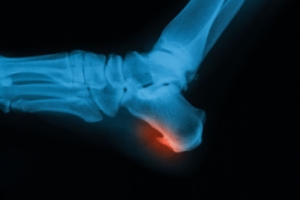

Heel spurs are bony growths that can form on the heel bone in response to constant strain on the foot's soft tissues. The two most common types are plantar heel spurs, which develop underneath the heel, and dorsal heel spurs, which form at the back of the heel near the Achilles tendon. These heel spurs often result from long-term traction, meaning a continuous pulling force placed on the heel bone by muscles, tendons, and the plantar fascia. This ongoing pull can be the result of standing, walking, or abnormal foot motion. This happens when the arch flattens too much, a motion called excessive pronation. Over time, the repeated strain may lead to microtears in the plantar fascia, which triggers inflammation and the formation of a heel spur. A podiatrist can diagnose the cause of heel pain and offer appropriate treatment, including orthotics or surgery. If you are experiencing heel pain, it is suggested that you schedule an appointment with a podiatrist for an exam and appropriate treatment options.
Heel spurs can be incredibly painful and sometimes may make you unable to participate in physical activities. To get medical care for your heel spurs, contact Kimberly Woodard, DPM from Pinnacle Foot and Ankle Centers, LLC . Our doctor will do everything possible to treat your condition.
Heels Spurs
Heel spurs are formed by calcium deposits on the back of the foot where the heel is. This can also be caused by small fragments of bone breaking off one section of the foot, attaching onto the back of the foot. Heel spurs can also be bone growth on the back of the foot and may grow in the direction of the arch of the foot.
Older individuals usually suffer from heel spurs and pain sometimes intensifies with age. One of the main condition's spurs are related to is plantar fasciitis.
Pain
The pain associated with spurs is often because of weight placed on the feet. When someone is walking, their entire weight is concentrated on the feet. Bone spurs then have the tendency to affect other bones and tissues around the foot. As the pain continues, the feet will become tender and sensitive over time.
Treatments
There are many ways to treat heel spurs. If one is suffering from heel spurs in conjunction with pain, there are several methods for healing. Medication, surgery, and herbal care are some options.
If you have any questions, please feel free to contact our office located in Port St. Lucie, FL . We offer the newest diagnostic and treatment technologies for all your foot care needs.
Heel Spurs
Heel spurs are the result of calcium deposits that cause bony protrusions on the underside of the heel. Heel spurs are usually painless, but they have the potential to cause heel pain. Heel spurs tend to be associated with plantar fasciitis, which is a condition that causes inflammation of the band of connective tissue that runs along the bottom of the foot. They most often occur to athletes whose sports involve a lot of running and jumping.
Some risk factors for developing heel spurs include running and jogging on hard surfaces, being obese, wearing poorly fitting shoes, or having walking gait abnormalities.
It is possible to have a heel spur without showing signs of any symptoms. However, if inflammation develops at the point of the spur’s formation, you may have pain while walking or running. In terms of diagnosis, sometimes all a doctor needs to know is that the patient is experiencing a sharp pain localized to the heel to diagnose a heel spur. Other times, an x-ray may be needed to confirm the presence of a heel spur.
Heel spurs can be prevented by wearing well-fitting shoes that have shock-absorbent soles. You should also be sure that you are choosing the right shoe for the activity you want to partake in; for example, do not wear walking shoes when you want to go on a run. Additionally, maintaining a healthy weight can be beneficial toward preventing heel spurs, as it will prevent an excess amount of pressure being placed on the ligaments.
There are a variety of treatment options for people with heel spurs. Some of these include stretching exercises, physical therapy, shoe inserts, or taping and strapping to rest stressed muscles and tendons. If you have heel pain that lasts longer than a month, don’t hesitate to seek help from a podiatrist. Your doctor can help you determine which treatment option is best for you.
How Workout and Running Shoes Differ


Running shoes and workout shoes are built to support the feet in different ways, based on how each activity affects movement and impact. Running shoes are designed to absorb repeated forward motion, with extra cushioning in the midsole to help reduce the pressure on the feet during long-distance runs. They often have a higher heel-to-toe drop to cushion the heel strike, which helps protect the arches and ankles from overuse injuries. In contrast, workout shoes are made for side-to-side movement, quick pivots, and a range of activities that demand better ankle support and foot stability. These shoes generally have flatter soles and flexible materials to allow natural foot motion during squats, jumps, or lateral drills. A podiatrist can help assess foot structure and advise on proper footwear to reduce injury risks and manage pain. If you are experiencing foot pain after working out or running, it is suggested that you schedule an appointment with a podiatrist for an exam, treatment options, and guidance in choosing the correct shoes for your desired activity.
It is important to find shoes that fit you properly in order to avoid a variety of different foot problems. For more information about treatment, contact Kimberly Woodard, DPM from Pinnacle Foot and Ankle Centers, LLC . Our doctor will treat your foot and ankle needs.
Proper Shoe Fitting
Shoes have many different functions. They cushion our body weight, protect our feet, and allow us to safely play sports. You should always make sure that the shoes you wear fit you properly in order to avoid injuries and deformities such as: bunions, corns, calluses, hammertoes, plantar fasciitis, stress fractures, and more. It is important to note that although a certain pair of shoes might be a great fit for someone else, that doesn’t mean they will be a great fit for you. This is why you should always try on shoes before buying them to make sure they are worth the investment. Typically, shoes need to be replaced ever six months to one year of regular use.
Tips for Proper Shoe Fitting
- Select a shoe that is shaped like your foot
- Don’t buy shoes that fit too tight, expecting them to stretch to fit
- Make sure there is enough space (3/8” to ½”) for your longest toe at the end of each shoe when you are standing up
- Walk in the shoes to make sure they fit and feel right
- Don’t select shoes by the size marked inside the shoe, but by how the shoe fits your foot
The shoes you buy should always feel as good as they look. Shoes that fit properly will last longer, feel better, and improve your way of life each day.
If you have any questions please contact our office located in Port St. Lucie, FL . We offer the newest diagnostic and treatment technologies for all your foot and ankle needs.
Getting the Right Shoe Size
If you want to ensure the long-term health of your feet, you should choose the right pair of shoes to wear on an everyday basis. Poorly fitting shoes will not only be uncomfortable, but they may also cause foot pain and unwanted foot conditions. When looking for a new pair of shoes, there are certain factors you should look for.
One of the most crucial tips you can follow is to always try shoes on in the afternoon. It is normal for feet to swell throughout the day, which means your shoe size may be different in the morning compared to what it is at night. To be safe, you should go with the slightly bigger size to ensure that your feet have enough room within your shoes.
Another rule is to never buy shoes that are too tight (Many people buy shoes that are too tight for their feet and expect the shoes to stretch out). If you are looking for a pair of running sneakers, you can go to a specialty running shoe store to have your feet properly sized. When you purchase shoes in-store, walk around in them to make sure the shoes you are going to buy fit you properly. Take some time to make sure the shoes are comfortable for your feet
The upper section of your shoe should be made from a softer, more flexible material. The material that makes up the shoe should not be slippery. Arch support should be a key factor in the decision-making process for shoes. Arch support is crucial because it will prevent the arches in your feet from collapsing. If your arches collapse, the plantar fascia may begin to stretch out which could lead to plantar fasciitis.
Many problematic foot conditions may be prevented by wearing properly fitting shoes. Some of these unwanted conditions are bunions, corns, calluses, pain, stress fractures, and plantar fasciitis. If you are suffering from any of these ailments you may want to speak with your podiatrist.
Why Skin May Peel Between the Toes
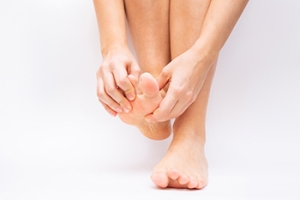

Skin peeling between the toes is often caused by moisture and friction, but several foot-related issues may also be responsible. One common reason is a fungal infection, often picked up in places like locker rooms or pool areas. This can cause peeling, itching, and cracks between the toes. Blisters from rubbing or minor injuries can also peel as they heal. If the skin stays wet for too long, it may soften and break down, especially in cold or damp conditions. In people with diabetes, peeling skin between the toes may be a sign of a sore that is not healing well. In rare cases, peeling may also be linked to a skin infection that causes swelling, warmth, or pain. A podiatrist can examine your feet, identify what is causing the peeling, and provide the right treatment. If the skin between your toes is peeling and becoming problematic, it is suggested that you make an appointment with a podiatrist for a diagnosis and treatment options.
Toe pain can disrupt your daily activities. If you have any concerns, contact Kimberly Woodard, DPM of Pinnacle Foot and Ankle Centers, LLC . Our doctor can provide the care you need to keep you pain-free and on your feet.
What Causes Toe Pain?
Most severe toe pain is caused due to a sports injury, trauma from dropping something heavy on the toe, or bumping into something rigid. Other problems can develop over time for various reasons.
Toe pain can be caused by one or more ailments. The most common include:
- Trauma
- Sports injury
- Wearing shoes that are too tight
- Arthritis
- Gout
- Corns and calluses
- Hammertoe
- Bunions
- Blisters
- Ingrown toenails
- Sprains
- Fractures (broken bones)
- Dislocations
When to See a Podiatrist
- Severe pain
- Persistent pain that lasts more than a week
- Signs of infection
- Continued swelling
- Pain that prevents walking
Diagnosis
In many cases the cause of toe pain is obvious, but in others, a podiatrist may want to use more advanced methods to determine the problem. These can range from simple visual inspections and sensation tests to X-rays and MRI scans. Prior medical history, family medical history, and any recent physical traumatic events will all be taken into consideration for a proper diagnosis.
Treatment
Treatments for toe pain and injuries vary and may include shoe inserts, padding, taping, medicines, injections, and in some cases, surgery. If you believe that you have broken a toe, please see a podiatrist as soon as possible.
If you have any questions please contact our office located in Port St. Lucie, FL . We offer the newest diagnostic and treatment technologies for all your foot and ankle needs.
Toe Pain
Toe pain can originate from corns, calluses, hammertoes, and bunions, as well as ingrown toenails, sprains, fractures, and dislocations. Corns develop as the toe rubs against the inside of a shoe which causes the skin to thicken as a form of protection. A corn is typically cone-shaped and has a small, hardened spot that points inward. When a corn is pressed into the skin, the toe becomes painful. Corns usually form on the top or side of the toe. A callus is also a thickened patch of skin that generally forms on the bottom of the foot. Calluses are the result of friction from the toe rubbing against the inside of a shoe. They may also occur by walking barefoot or having flat feet. A hammertoe is a bump on the knuckle of the second toe that is produced by wearing shoes that are too short for your feet. The bony protrusion rubs against the top of the shoe causing pain and irritation. A bunion is a malformation of the big toe. The base of the big toe pushes away from the smaller toes, forcing the top of the big toe to press toward the other toes. Bunions can be hereditary, or they can result from injury to the toe joint or from wearing high heels with a narrow toe box. The toe becomes inflamed, and a bump may develop at the end of the misplaced bone. Ingrown toenails typically affect the big toe and its surrounding skin. The nail will dig into the skin and become painful. Wearing tight or narrow shoes that compress the big toe causes the nail to grow into the fleshy part of the toe. Cutting toenails incorrectly can also add to the development of an ingrown toenail. A toe sprain originates from a torn or stretched ligament. Strapping the injured toe to the toe next to it for stabilization is common. A broken or fractured toe usually occurs from trauma like dropping a heavy object on it or bumping into something extremely hard and rigid. Osteoporosis, a thinning of the bones, can also bring about toe fractures.
Any of the conditions mentioned can lead to pain and irritation. While some are more serious than others, seeking an examination and diagnosis from a podiatrist is a good idea. A podiatrist can treat each ailment and get you back on your feet again without pain.
It's Time for Beautiful Feet


You don't need an excuse to have beautiful nails. Step outside without worrying about the appearance of your feet.
When Toes Cross or Overlap in Adults and Infants


Toes that rest on top of or press against each other can be seen in both newborns and adults. In infants, this may be due to how the baby was positioned during pregnancy. The condition often improves with time or may respond well to gentle stretching or taping. In adults, overlapping toes often develop from long-term pressure caused by wearing tight shoes, poor foot mechanics, or changes in the muscles and tendons. This can lead to discomfort, rubbing, or visible changes in the shape of the foot. Non-surgical solutions such as roomier footwear, padding, or toe separators are often helpful in mild cases. For more severe overlap or persistent pain, surgical correction may be considered. If you or your child is experiencing discomfort due to overlapping toes, it is suggested that you see a podiatrist to discuss the best approach for relief and care.
Hammertoes can be a painful condition to live with. For more information, contact Kimberly Woodard, DPM of Pinnacle Foot and Ankle Centers, LLC . Our doctor will answer any of your foot- and ankle-related questions.
Hammertoe
Hammertoe is a foot deformity that occurs due to an imbalance in the muscles, tendons, or ligaments that normally hold the toe straight. It can be caused by the type of shoes you wear, your foot structure, trauma, and certain disease processes.
Symptoms
- Painful and/or difficult toe movement
- Swelling
- Joint stiffness
- Calluses/Corns
- Physical deformity
Risk Factors
- Age – The risk of hammertoe increases with age
- Sex – Women are more likely to have hammertoe compared to men
- Toe Length – You are more likely to develop hammertoe if your second toe is longer than your big toe
- Certain Diseases – Arthritis and diabetes may make you more likely to develop hammertoe
Treatment
If you have hammertoe, you should change into a more comfortable shoe that provides enough room for your toes. Exercises such as picking up marbles may strengthen and stretch your toe muscles. Nevertheless, it is important to seek assistance from a podiatrist in order to determine the severity of your hammertoe and see which treatment option will work best for you.
If you have any questions, please feel free to contact our office located in Port St. Lucie, FL . We offer the newest diagnostic and treatment technologies for all your foot care needs.
Hammertoe
Hammertoe is a foot deformity that occurs due to an imbalance in the tendons, muscles, or ligaments that are responsible for holding the toes in their normal position. This condition may be caused by poor footwear, foot structure, trauma, and disease. The most common solution for hammertoe is to relieve the pain by changing your footwear and wearing orthotics. In severe cases, surgery may be required.
The shoes that are most likely to cause hammertoe are high heeled shoes or shoes that are too tight in the toe box. Tight shoes will force your toes to crowd together in a curled position. This position will likely continue when you take your shoes off. Another cause is trauma. When you stub your toe, you are increasing the chance that you will develop hammertoe.
There are risk factors that may make you more likely to develop this condition. Women are more likely to have the condition compared to men, and it is also more likely to appear in those who are older in age.
Many different foot problems can be avoided by wearing shoes that have adjustability, adequate toe room, and low heels. Furthermore, if you want to buy new shoes, you should look to purchase them at the end of the day and make sure you know your correct size. The importance of buying shoes at the end of the day is that your feet swell as the day progresses. You should also ensure that you are wearing your correct size because your shoe size may change as you grow older.
To diagnose someone with hammertoe, your podiatrist will need to conduct a thorough examination of your foot. Your doctor may even order an x-ray to evaluate the bones and joints of your feet and toes.
If you have hammertoe, your podiatrist may recommend that you wear shoes that fit you better along with inserts to place inside them. Additionally, he or she may suggest special exercises for you to perform to stretch your toes. One helpful exercise it to pick up marbles with your feet or crumple a towel with your toes.
Prior to meeting with your podiatrist, it will be helpful to make a list of all the symptoms you are experiencing. You should also make a note of medications you are taking and important personal information about your medical history.
