Items filtered by date: April 2026
Ankle Osteoarthritis and How to Manage It
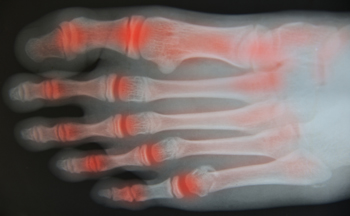
Ankle osteoarthritis is a degenerative joint condition in which the cartilage within the ankle gradually wears down, leading to pain and reduced mobility. This condition often develops after previous injuries, such as fractures or sprains, but it can also result from long-term joint stress or inflammation. Risk factors include aging, excess body weight, repetitive strain, and footwear that fails to support the joint. Common symptoms include stiffness, swelling, tenderness, and difficulty walking or bearing weight. A podiatrist can evaluate joint function, order imaging, and recommend supportive footwear, custom orthotics, and targeted exercises. Early care can slow progression and relieve discomfort. If you have symptoms of ankle arthritis, it is suggested that you consult a podiatrist who can help you to manage this condition, and maintain a healthy lifestyle.
Arthritis can be a difficult condition to live with. If you are seeking treatment, contact Kimberly Woodard, DPM from Pinnacle Foot and Ankle Centers, LLC . Our doctor can provide the care you need to keep you pain-free and on your feet.
Arthritic Foot Care
Arthritis is a term that is commonly used to describe joint pain. The condition itself can occur to anyone of any age, race, or gender, and there are over 100 types of it. Nevertheless, arthritis is more commonly found in women compared to men, and it is also more prevalent in those who are overweight. The causes of arthritis vary depending on which type of arthritis you have. Osteoarthritis for example, is often caused by injury, while rheumatoid arthritis is caused by a misdirected immune system.
Symptoms
- Swelling
- Pain
- Stiffness
- Decreased Range of Motion
Arthritic symptoms range in severity, and they may come and go. Some symptoms stay the same for several years but could potentially get worse with time. Severe cases of arthritis can prevent its sufferers from performing daily activities and make walking difficult.
Risk Factors
- Occupation – Occupations requiring repetitive knee movements have been linked to osteoarthritis
- Obesity – Excess weight can contribute to osteoarthritis development
- Infection – Microbial agents can infect the joints and trigger arthritis
- Joint Injuries – Damage to joints may lead to osteoarthritis
- Age – Risk increases with age
- Gender –Most types are more common in women
- Genetics – Arthritis can be hereditary
If you suspect your arthritis is affecting your feet, it is crucial that you see a podiatrist immediately. Your doctor will be able to address your specific case and help you decide which treatment method is best for you.
If you have any questions please feel free to contact our office located in Port St. Lucie, FL . We offer the newest diagnostic tools and technology to treat your foot and ankle needs.
Heel Pad Syndrome Exercises
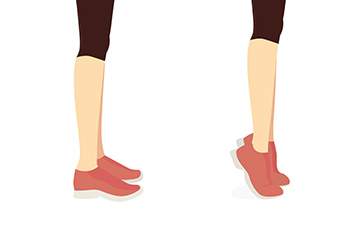
Heel pad syndrome involves thinning or damage to the fat pad beneath the heel, which normally cushions impact while walking and standing. It can be caused by aging, obesity, improper footwear, or an uneven gait that increases pressure on the heel. Symptoms include deep aching pain in the center of the heel, especially during prolonged standing or walking. Exercises include calf stretching, heel raises, hamstring stretches, and gently rolling a ball under the foot, which can improve flexibility and reduce strain. Risk factors include high-impact activities, poor foot support, and repetitive stress. A podiatrist can help by evaluating foot mechanics, recommending treatments, and providing expert guidance. If heel pain persists, it is suggested that you consult a podiatrist who can offer you appropriate relief tips tailored to your needs.
Exercising your feet regularly with the proper foot wear is a great way to prevent injuries and build strength. If you have any concerns about your feet, contact Kimberly Woodard, DPM from Pinnacle Foot and Ankle Centers, LLC . Our doctor can provide the care you need to keep you pain-free and on your feet.
Exercise for Your Feet
Exercise for your feet can help you gain strength, mobility and flexibility in your feet. They say that strengthening your feet can be just as rewarding as strengthening another part of the body. Your feet are very important, and we often forget about them in our daily tasks. But it is because of our feet that are we able to get going and do what we need to. For those of us fortunate enough to not have any foot problems, it is an important gesture to take care of them to ensure good health in the long run.
Some foot health exercises can include ankle pumps, tip-toeing, toe rises, lifting off the floor doing reps and sets, and flexing the toes. It is best to speak with Our doctor to determine an appropriate regimen for your needs. Everyone’s needs and bodies are different, and the activities required to maintain strength in the feet vary from individual to individual.
Once you get into a routine of doing regular exercise, you may notice a difference in your feet and how strong they may become.
If you have any questions, please feel free to contact our office located in Port St. Lucie, FL . We offer the newest diagnostic and treatment technologies for all your foot care needs.
Gout Pain Can Be Managed

Gout is a painful, inflammatory form of arthritis. Those affected will typically feel an intense stiffness in the joints of their feet, particularly in the big toe. Schedule a visit to learn about how gout can be managed and treated.
Symptoms and Risks of Heel Spurs

Heel spurs are bony growths that develop on the heel bone due to repeated stress on the foot. Many people do not notice symptoms. However, if pain occurs, it is often felt as a sharp or stabbing sensation in the bottom of the heel. This pain is usually worse with the first steps in the morning or after sitting for a long time. This discomfort, called inflammation, is linked to irritation and swelling of nearby tissue. One of the main risk factors for heel spurs is long-term strain on the plantar fascia, a strong band of tissue that supports the arch. Excess body weight and changes in foot alignment are further causes. Without proper care, symptoms may worsen, affect walking and impede daily activities. A podiatrist can diagnose the condition through X-rays, evaluate foot mechanics, and provide treatment to relieve pressure and improve function. If you are experiencing pain from heel spurs, it is suggested that you make an appointment with a podiatrist for treatment.
Heel spurs can be incredibly painful and sometimes may make you unable to participate in physical activities. To get medical care for your heel spurs, contact Kimberly Woodard, DPM from Pinnacle Foot and Ankle Centers, LLC . Our doctor will do everything possible to treat your condition.
Heels Spurs
Heel spurs are formed by calcium deposits on the back of the foot where the heel is. This can also be caused by small fragments of bone breaking off one section of the foot, attaching onto the back of the foot. Heel spurs can also be bone growth on the back of the foot and may grow in the direction of the arch of the foot.
Older individuals usually suffer from heel spurs and pain sometimes intensifies with age. One of the main condition's spurs are related to is plantar fasciitis.
Pain
The pain associated with spurs is often because of weight placed on the feet. When someone is walking, their entire weight is concentrated on the feet. Bone spurs then have the tendency to affect other bones and tissues around the foot. As the pain continues, the feet will become tender and sensitive over time.
Treatments
There are many ways to treat heel spurs. If one is suffering from heel spurs in conjunction with pain, there are several methods for healing. Medication, surgery, and herbal care are some options.
If you have any questions, please feel free to contact our office located in Port St. Lucie, FL . We offer the newest diagnostic and treatment technologies for all your foot care needs.
When Feet and Ankles Begin to Swell
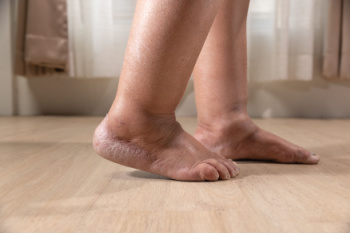
Swelling of the feet, also known as edema, can develop gradually or suddenly and may affect one or both feet. The skin may appear stretched, shiny, or puffy, and pressing on the area can leave a temporary indentation. Some people notice tightness, discomfort, or a heavy sensation that worsens throughout the day, especially after long periods of standing or sitting. Common causes include fluid retention, injury, poor circulation, certain medication, or underlying conditions like heart, kidney, or vein issues. Heat and prolonged inactivity can also contribute to swelling. A podiatrist can evaluate the pattern and severity of swelling and may recommend further testing if a systemic cause is suspected. Treatment often includes supportive footwear, compression, elevation, and targeted exercises to improve circulation. Early evaluation helps identify the cause and prevent complications. If you have persistent swelling of the feet, it is suggested that you make an appointment with a podiatrist.
Swollen feet can be a sign of an underlying condition. If you have any concerns, contact Kimberly Woodard, DPM of Pinnacle Foot and Ankle Centers, LLC . Our doctor can provide the care you need to keep you pain-free and on your feet.
Swollen feet are a common ailment among pregnant women and people who stand or sit for extended periods. Aging may increase the possibility of swollen feet and patients who are obese often notice when their feet are swelling too. There may be medical reasons why swollen feet occur:
- Phlebitis - A condition that causes the veins to become inflamed and can also cause leg pain.
- Liver disease - This may lead to low blood levels of albumin which is a protein. This can cause fluid in the blood to pass into the tissues and several areas of the body can become swollen.
- Heart failure - When the heart doesn’t pump properly the blood that is normally pumped back to the heart can pool in the veins of the legs causing swollen feet.
- Kidney disease - One of the main functions of the kidneys is releasing excess fluid in the body. This type of condition can make it difficult for the kidneys to function properly, and as a result the feet may become swollen.
- Deep-vein thrombosis (DVT)- This is a serious condition where blood clots form in the veins of the legs. They can block the return of blood from the legs to the heart which may cause the feet to swell. It is important to be treated by a podiatrist if this condition is present.
Swollen feet can also be caused by bone and tendon conditions, including fractures, arthritis, and tendinitis. Additionally, there may be skin and toenail conditions and an infection may cause the feet to swell. Patients who take medicine to treat high blood pressure may be prone to getting swollen feet.
Many patients elevate their feet to help relieve the swelling and this is generally a temporary remedy. When a podiatrist is consulted the reason behind the swelling can be uncovered and subsequently treated.
If you have any questions please contact our office located in Port St. Lucie, FL . We offer the newest diagnostic and treatment technologies for all your foot and ankle needs.
